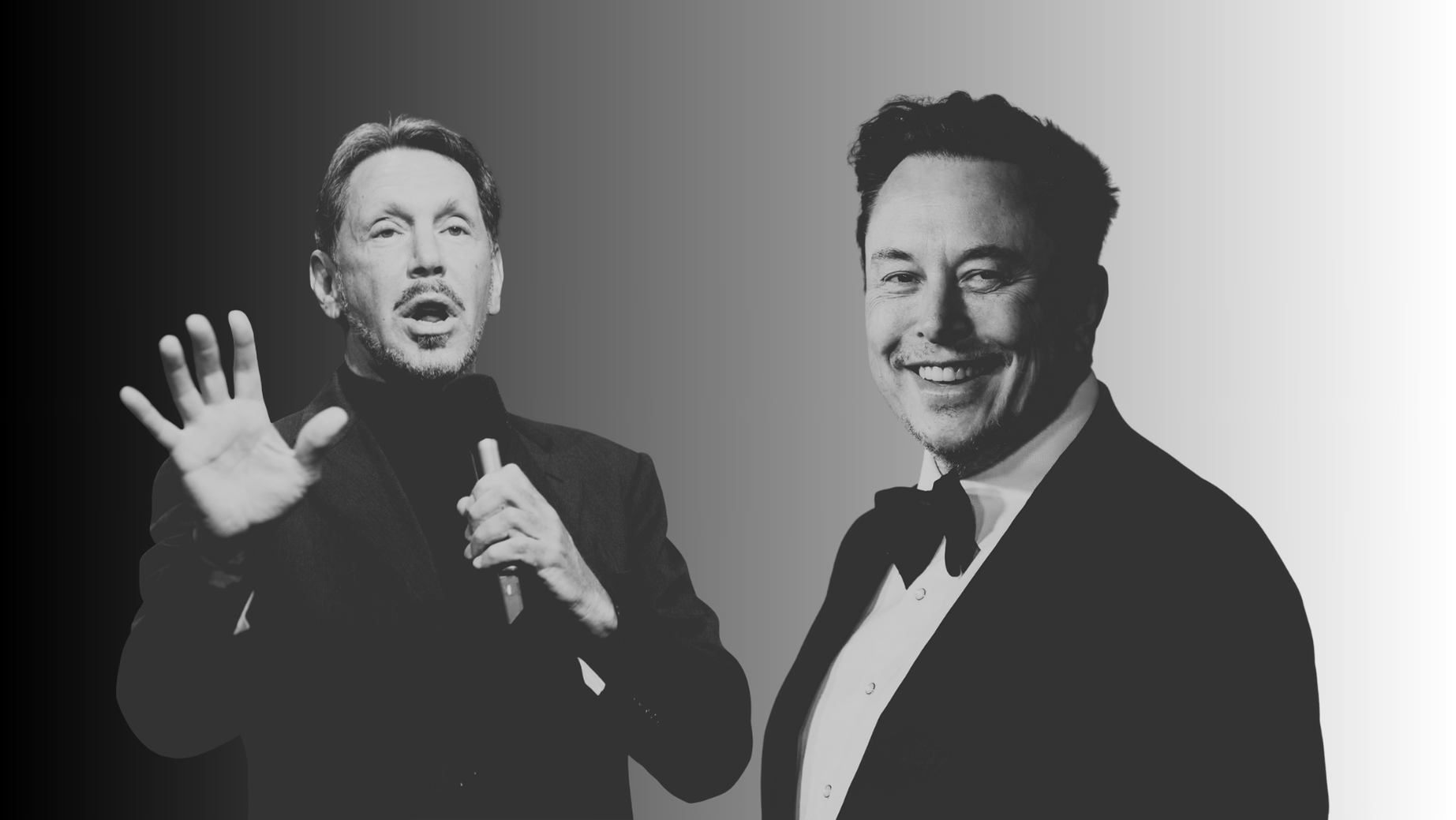
Larry Ellison’s Brief — and Telling — Leap Past Elon Musk: How an OpenAI Deal, a Stock Spike and a Sharp Pullback Revealed the Volatility of Ultra-High Tech Wealth
Larry Ellison briefly became the world’s richest person after reports of a massive OpenAI cloud-computing deal sent Oracle shares soaring. But the gains were fleeting — Oracle’s stock later pulled back sharply, and Elon Musk reclaimed the top spot. The episode highlights how ultra-rich rankings tied to tech stocks and AI hype can be extraordinarily volatile.
What Happened: The Timeline
- On September 10, 2025, major outlets reported that OpenAI had struck a multi-year deal with Oracle for tens or hundreds of billions of dollars’ worth of computing infrastructure. Some reports pegged the commitment at around US$300 billion over five years, though the exact terms are unclear.
- The news triggered a surge in Oracle’s stock, with shares jumping around 40–43% in a single session. That dramatic move pushed Oracle’s market capitalization toward the $1 trillion mark, briefly elevating Ellison’s net worth.
- At his peak, Ellison’s fortune was estimated by several sources to be in the range of US$390–395 billion, placing him just ahead of Elon Musk in real-time billionaire rankings.
- However, in the days and weeks following, Oracle’s share price retreated sharply. Investor enthusiasm cooled as the practical challenges of delivering such a massive cloud-computing arrangement became more apparent.
- As Oracle retraced much of its earlier gains, Musk regained the number-one spot in global net-worth rankings.
Key Data & Market Context
- Reported OpenAI-Oralce commitment: ~US$300 billion over ~5 years (as reported by WSJ via Reuters).
- Single-day share spike: ~40–43% rise in ORCL shares on September 10, 2025 (reported by Reuters and Bloomberg).
- Ellison’s estimated net worth at peak: ~US$390–395 billion — briefly surpassing Musk at ~US$384 billion (as reported by wealth-tracker indexes and financial press).
- Pullback dynamics: Oracle shares gave up a substantial portion of the gains soon after, as the market digested execution risk, margin potential, and contract structure.
Why the Market Reacted So Strongly
- Massive headline deal: A deal of the reported magnitude creates huge speculative upside — if fully realized, it could transform Oracle’s cloud-business trajectory and profitability.
- Founder wealth concentrated in stock: Ellison holds a very large position in Oracle. Therefore, large swings in ORCL’s share price translate directly to dramatic swings in his paper net worth.
- AI-cloud investor fever (2025): The market in 2025 heavily penalized or rewarded companies based on their perceived exposure to large-scale AI infrastructure. Oracle, by being linked to OpenAI, suddenly became a prime “AI-infra bet.”
- Execution risk is real: While a headline deal helps, investors must weigh how Oracle will provision, scale, and monetize that compute capacity. Contracts can be lofty, but delivering them profitably is a separate challenge.
Lessons & Takeaways
- Paper wealth ≠ liquid wealth: Billionaire net-worth rankings based on equity holdings are extremely sensitive to sudden changes in share price. Gains can vanish just as quickly as they come.
- Hype inflates expectations: When markets price in very optimistic scenarios (large AI-cloud bookings, future growth), the risk of disappointment becomes more dangerous.
- Look past headlines: Contracts like “$300 billion deal” are exciting, but investors should scrutinize the structure — commitment duration, revenue recognition, profitability, delivery risk, and counterparty effects.
- Diversification matters: For both companies and investors, it’s risky to rely on a single mega-deal or theme. Competitive pressures (e.g., AWS, Microsoft, Google) and execution complexity can derail even the most hyped arrangements.
Final Thoughts
The episode with Ellison and Musk serves as a high-profile reminder: in the age of AI and cloud, wealth at the top is not just about innovation — it’s deeply tied to market sentiment, execution risk, and deliverability. Oracle’s headline-grabbing deal with OpenAI created a moment of euphoria, but the reality of showing up with scalable, profitable infrastructure is a very different story. The brief change in the world’s richest person shows how fragile and fluid such rankings are when built on speculative bets — or built on future promise, not yet realized earnings.