
Where Great Companies Are Really Forged
Behind every iconic company lies a moment no one celebrates publicly—a decision so difficult it threatens the founder’s identity, team morale, and entire vision.
It is not the funding round.
It is not the product launch.
It is the moment when a founder must choose:
Hold on to the original vision—or let it go to survive.
This is the story of that decision—told through real founder experience, supported by data, and illuminated by some of the most famous pivots in startup history.
The Founder’s Breaking Point: Vision vs. Reality
At a certain stage, every founder encounters the same brutal truth:
- The product isn’t growing as expected
- Customers aren’t engaging
- The market isn’t responding
Despite months—or years—of effort, the numbers don’t lie.
And the data is unforgiving:
This is where the hardest decision emerges:
Do you persist—or do you pivot?
Case Study 1: Airbnb — From Survival Hustle to Global Platform
4
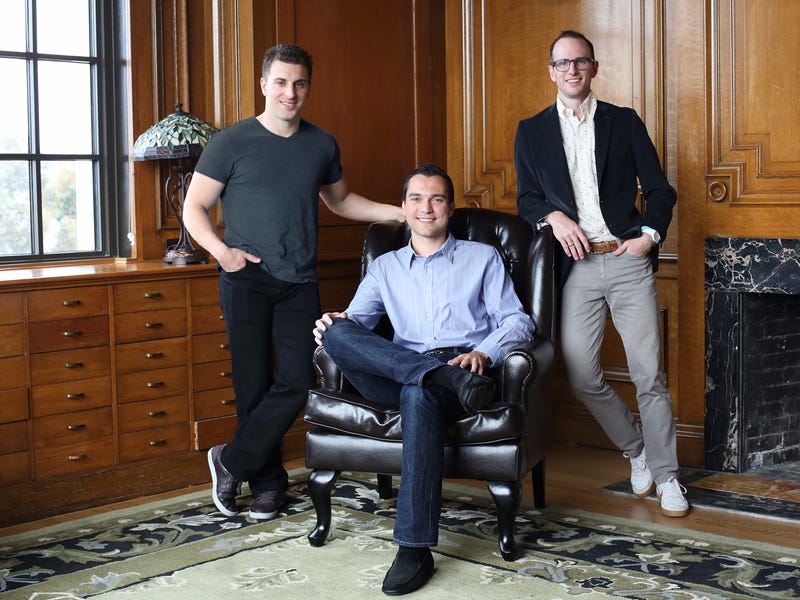
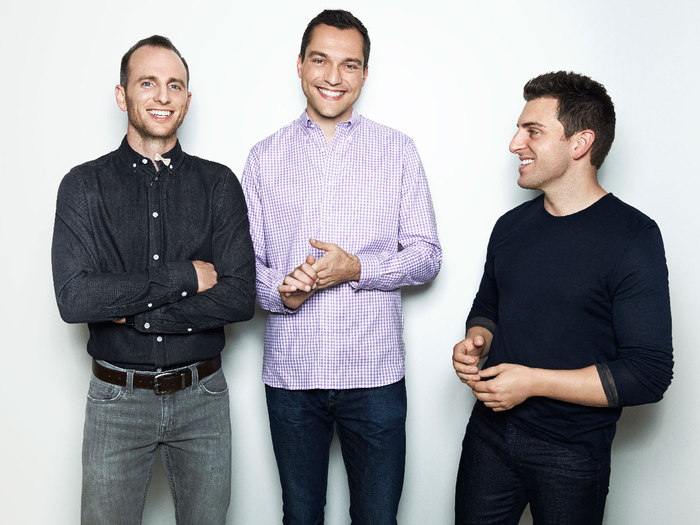
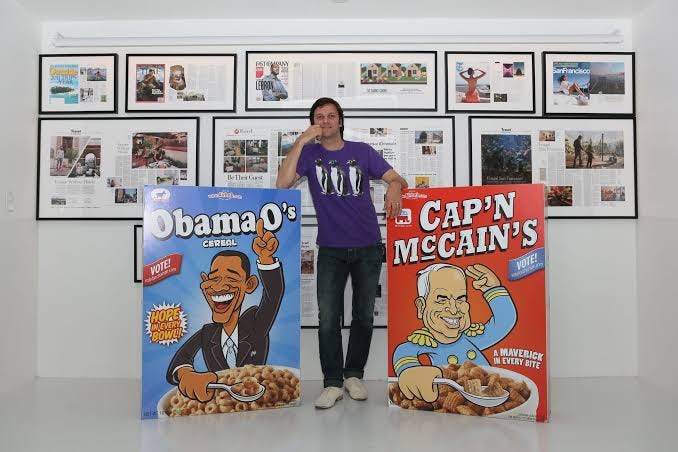
When Airbnb began, it wasn’t a billion-dollar company—it was a desperate experiment.
Founders Brian Chesky and Joe Gebbia rented out air mattresses in their apartment to make rent.
The Hard Decision
When growth stalled and investors rejected them repeatedly, they faced a choice:
- Shut down
- Or radically rethink how people perceive “staying with strangers”
What They Did
They pivoted their approach:
- Focused on trust and design
- Personally photographed listings to improve conversions
- Reframed the experience as belonging, not renting
The Insight
The pivot wasn’t just product—it was positioning.
Today, Airbnb is valued in the tens of billions, but it only survived because the founders chose adaptation over attachment.
Case Study 2: Netflix — Killing the Business That Worked

4
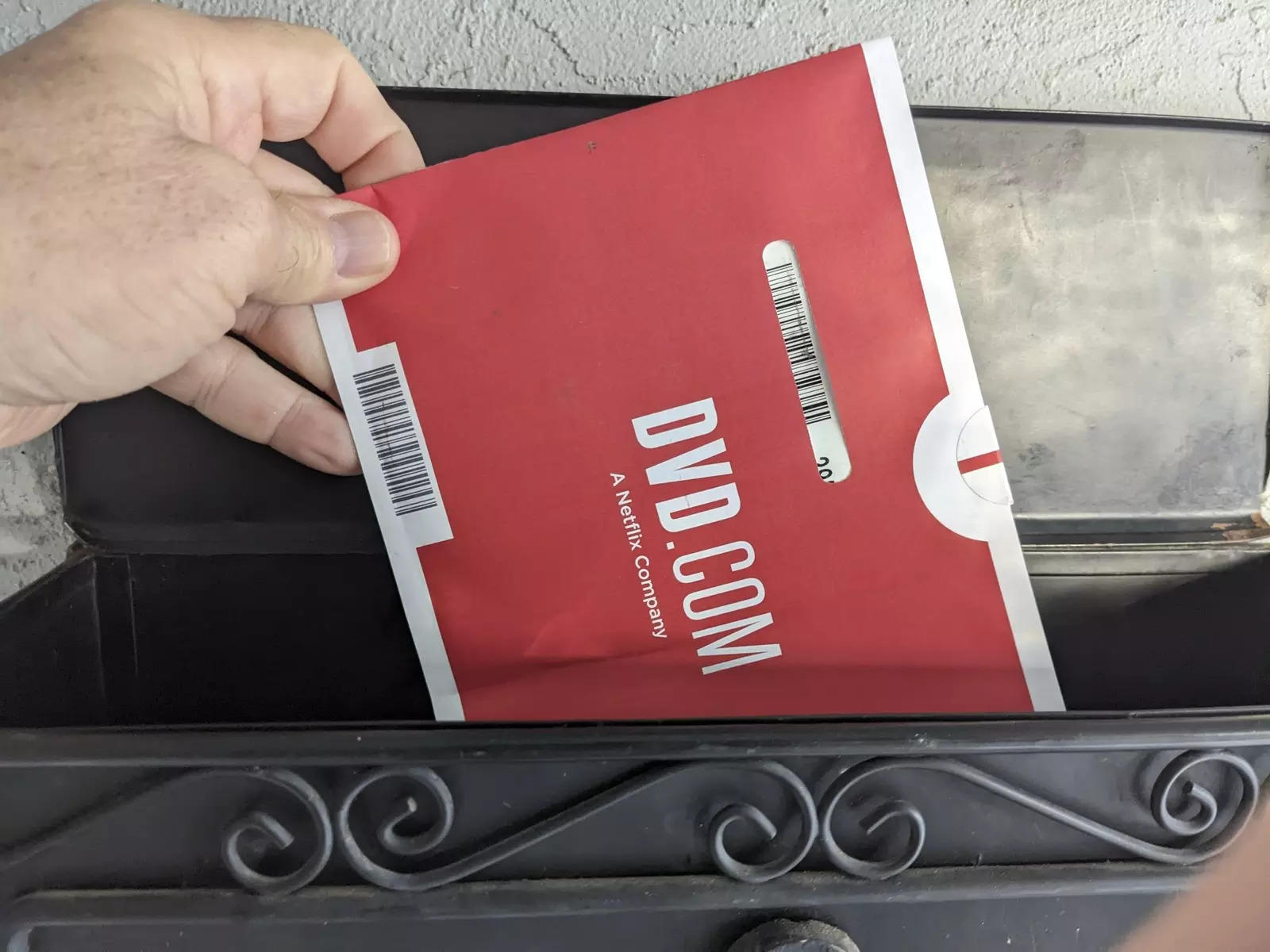
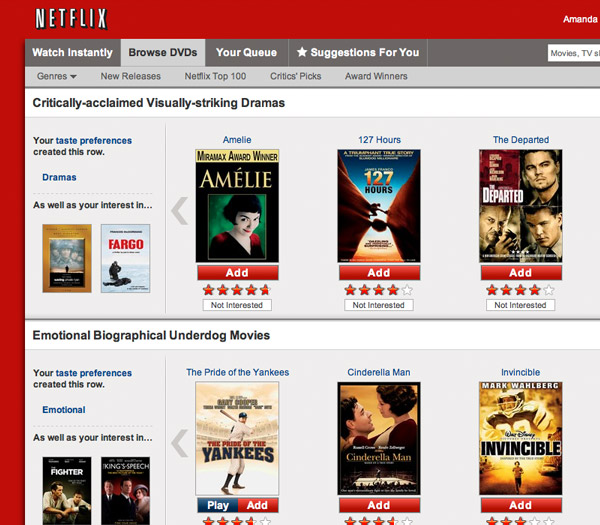
Netflix started as a DVD-by-mail service—a model that worked.
Customers loved it. Revenue was growing.
The Hard Decision
Founder Reed Hastings realized something others ignored:
Streaming would eventually replace physical media.
The dilemma:
- Continue scaling a profitable model
- Or disrupt themselves before someone else did
What They Did
Netflix pivoted aggressively:
- Invested in streaming infrastructure
- Transitioned away from DVDs
- Later doubled down on original content
The Insight
Sometimes the hardest decision is abandoning what’s already successful.
Netflix didn’t pivot because it was failing—it pivoted because it saw the future.
Case Study 3: Instagram — From Clutter to Clarity

4
Before it became Instagram, the app was called Burbn—a complex check-in platform with too many features.
The Hard Decision
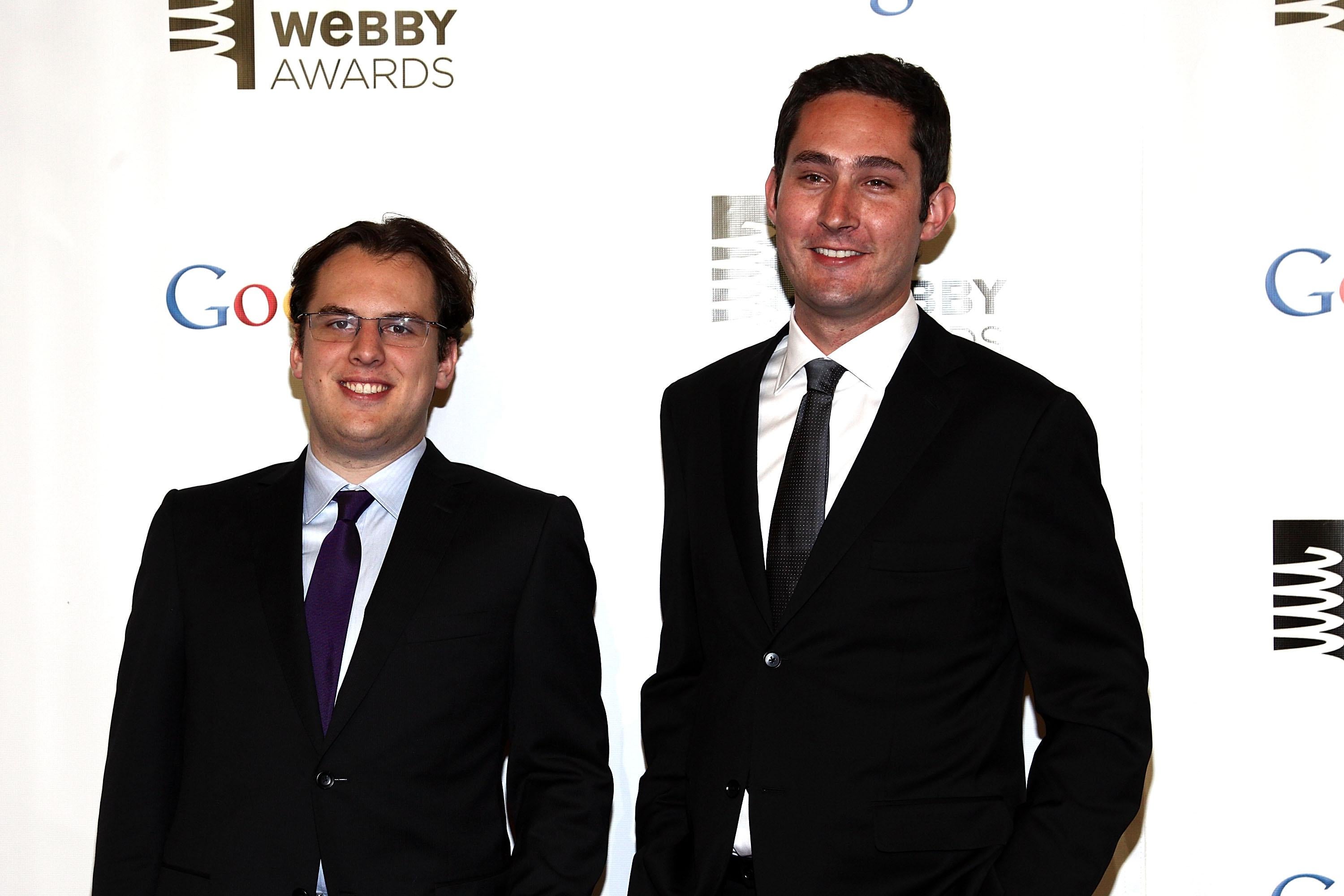
Founders Kevin Systrom and Mike Krieger noticed something critical:
Users only cared about one feature—photo sharing.
The choice:
- Improve the existing app
- Or strip it down completely
What They Did
They made a bold pivot:
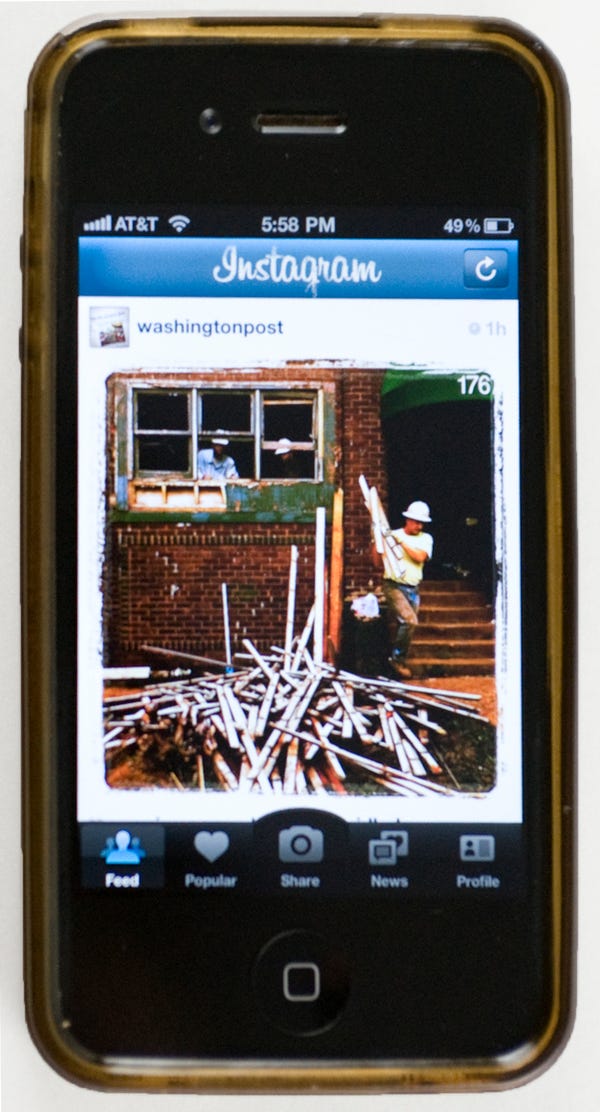
- Removed everything except photos
- Focused on simplicity and speed
- Launched Instagram
The Insight
Growth often comes from subtraction, not addition.
Within two years, Instagram was acquired by Facebook for $1 billion.
The Psychology Behind Hard Decisions
Why are these decisions so difficult—even when the data is clear?
1. Identity Attachment
Founders don’t just build products—they build personal meaning around them.
2. Sunk Cost Fallacy
The more time and money invested, the harder it becomes to let go.
3. Fear of Judgment
Pivoting feels like admitting failure—especially publicly.
The Decision Framework Elite Founders Use
From research and real-world patterns, the best founders apply a consistent framework:
1. Follow Data, Not Ego
If users aren’t responding, the market is speaking.
2. Act Before It’s Comfortable
By the time a pivot feels obvious, it may already be too late.
3. Redefine Failure
A pivot is not failure—it’s iteration.
4. Optimize for Survival First
A living company can evolve. A dead one cannot.
The Founder’s Truth: No One Talks About This Enough
Every successful founder has a story like this.
But most don’t share it because:
- It’s messy
- It’s emotional
- It contradicts the narrative of certainty
Yet, this is the real work of entrepreneurship:
Making irreversible decisions with incomplete information—and moving forward anyway.
Conclusion: The Decision That Defines You
The hardest decision I ever made as a founder wasn’t about scaling.
It was about letting go.
Letting go of:
- The original idea
- The ego attached to it
- The illusion of certainty
Because in the end:
Great founders are not defined by their first idea—
but by their ability to evolve beyond it.


