
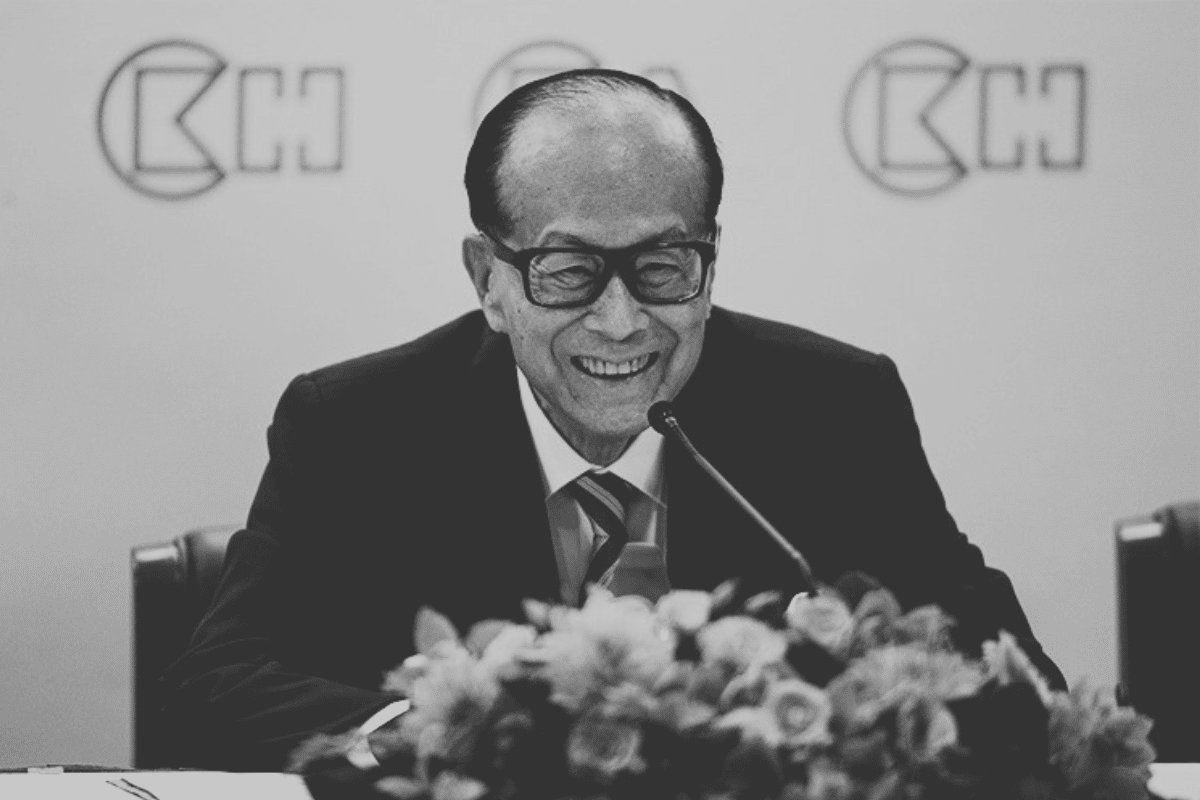
Hong Kong billionaire Li Ka-shing’s CK Hutchison Holdings is set to exit its U.K. telecom joint venture with Vodafone Group in a deal valued at £4.3 billion, or about $5.8 billion, marking one of the most significant telecom ownership shifts in the British market this year.
Vodafone has agreed to acquire CK Hutchison’s 49% stake in VodafoneThree, the U.K. mobile operator formed through the merger of Vodafone UK and Three UK. Once completed, the deal will give Vodafone full ownership of the U.K.’s largest mobile operator, strengthening its control over one of its most strategically important European markets.
The Deal At A Glance
Under the agreement, Vodafone will buy out CK Hutchison’s remaining stake in VodafoneThree for £4.3 billion in cash. The transaction is expected to close in the second half of 2026, subject to regulatory and national security approvals in the U.K.
VodafoneThree was created after Vodafone UK and Three UK completed their merger on May 31, 2025, with Vodafone holding 51% and CK Hutchison holding 49%. The merger itself had originally been announced in 2023 as a way to create a stronger U.K. telecom player capable of accelerating 5G investment and competing more effectively against BT’s EE and Virgin Media O2.
The buyout comes much earlier than Vodafone’s original option timeline, which was expected to allow Vodafone to purchase CK Hutchison’s stake after a longer holding period. The early move signals Vodafone’s confidence in the merged business and CK Hutchison’s willingness to cash out at an attractive valuation.
Why CK Hutchison Is Selling
For CK Hutchison, the sale is not just a telecom transaction. It reflects a broader strategic shift by Li Ka-shing’s conglomerate toward asset monetization, balance-sheet strength, and capital flexibility.
The company has been reviewing parts of its global portfolio, including telecom, infrastructure, ports, and retail assets. According to reports, CK Hutchison expects to book a gain of about HK$4.7 billion, or around $600 million, from the VodafoneThree stake sale. Proceeds are expected to support debt reduction, business expansion, and possible future acquisitions.
The move also follows another major CK Group asset sale: a deal involving the sale of U.K. Power Networks for more than $14 billion, highlighting the group’s broader approach of unlocking value from mature infrastructure holdings.
For Li Ka-shing, often known for disciplined capital allocation and long-term dealmaking, the VodafoneThree exit fits a familiar playbook: build or consolidate an asset, wait for value creation, and exit when the strategic and financial timing is favorable.
Vodafone’s Strategic Win
For Vodafone, the acquisition is about control.
The company has been under pressure in recent years to simplify its portfolio, improve returns, and focus on core markets. Under CEO Margherita Della Valle, Vodafone has been sharpening its focus on markets such as the U.K. and Germany while reducing complexity across its international operations.
Full ownership of VodafoneThree gives Vodafone greater freedom to make strategic decisions without joint-venture constraints. It can move faster on network investment, brand strategy, cost savings, pricing, customer experience, and integration of the Vodafone and Three businesses.
VodafoneThree is already positioned as the U.K.’s largest mobile operator by customers, with more than 27 million subscribers after the merger. The company is also committed to investing £11 billion into its U.K. network over the next decade, with a major focus on 5G rollout and improved national coverage.
The Bigger Telecom Picture
The deal comes at a time when telecom companies across Europe are facing intense pressure. Network investment costs remain high, competition is fierce, and consumer pricing remains politically sensitive.
For years, European telecom operators have argued that fragmented markets make it difficult to generate enough returns to fund next-generation networks. Consolidation has therefore become a major industry theme.
The Vodafone-Three merger was initially controversial because regulators feared that reducing the number of U.K. mobile network operators could lead to higher prices or weaker competition. The merger was eventually approved in December 2024 with conditions, including network rollout commitments and consumer protections.
Now, with Vodafone taking full control, the company will have to prove that consolidation can deliver better coverage, faster 5G, and stronger service quality without harming consumers.
What It Means For CK Hutchison
CK Hutchison’s exit from VodafoneThree marks the end of a major chapter in its U.K. telecom journey.
The group launched Three UK in 2000 and built it into a major challenger brand in the British mobile market. After years of competing against larger players, CK Hutchison merged Three UK with Vodafone UK to create a stronger combined operator.
By selling its 49% stake now, CK Hutchison is converting that long-term investment into cash at a time when global telecom assets require heavy capital spending. The company still retains telecom operations in several European and Asian markets, but reports suggest it may consider further telecom asset sales or even a listing of its global telecom business.
This shows a more cautious and cash-focused approach from one of Asia’s most influential business groups.
What It Means For Vodafone
For Vodafone, the deal is a bold bet on the U.K. market.
The acquisition will increase Vodafone’s leverage, with its net debt ratio expected to rise to around 2.6 times, slightly above its target range. However, Vodafone is betting that full control of VodafoneThree will unlock stronger long-term value through network efficiencies, customer growth, and cost savings.
The company expects the combined business to generate around £700 million in annual cost and capital expenditure synergies by fiscal year 2030.
If Vodafone can deliver those savings while improving customer experience, the VodafoneThree acquisition could become a defining move in its turnaround strategy.
Investor Reaction
Markets responded positively to CK Hutchison’s decision to sell. Reuters reported that CK Hutchison shares rose more than 4%, reaching a six-year high, while Vodafone shares also gained around 2% after the announcement.
The reaction suggests investors see clear logic on both sides: CK Hutchison receives a large cash inflow, while Vodafone gains full control of a strategically important asset.
The Founder’s Lens
From a founder and business-leadership perspective, the VodafoneThree deal offers an important lesson: ownership structure matters.
Joint ventures can be powerful tools for market entry, risk sharing, and consolidation. But once a business reaches a certain stage, full control can become more valuable than partnership. Vodafone now has the ability to execute without divided ownership. CK Hutchison, meanwhile, has converted a long-term position into liquidity at a time when capital discipline is increasingly important.
Li Ka-shing’s business empire has always been known for timing, diversification, and disciplined exits. This deal reinforces that philosophy. In a volatile global economy, cash, flexibility, and portfolio focus are becoming as important as growth itself.
Conclusion
CK Hutchison’s $5.8 billion exit from VodafoneThree is more than a telecom deal. It is a signal of changing priorities in global business.
For Vodafone, it is a move toward greater control, deeper U.K. market commitment, and accelerated network investment. For CK Hutchison, it is a strategic monetization of a mature asset and another step in reshaping its global portfolio.
As the transaction moves toward completion in the second half of 2026, the key question will be whether Vodafone can turn full ownership into stronger performance, better connectivity, and long-term shareholder value. For Li Ka-shing’s CK Hutchison, the answer appears simpler: the group is choosing cash, flexibility, and disciplined capital redeployment over continued exposure to a capital-heavy telecom market.
Move upMove downToggle panel: Link Suggestions
Keep Reading:
- THE HARDEST DECISION I EVER MADE AS A FOUNDER
- How to Start a Small Printing Business in 2025: A Comprehensive Guide
- Top 10 Breakthrough Startups Founded in 2025: Leaders, Funding, Vision & Market Potential
- Get Ready Bell: Client Pulse – Smart Client Retention & Engagement Tool
- Top Incubators for Startups in 2025: The Ultimate Guide for Founders