Home Blog Page 14

What Is Maritime Law? Definition, Scope, Examples & Why It Matters

0
What Is Maritime Law

What Is Maritime Law?

Maritime law — also known as admiralty law — is the specialized body of laws that governs activities, disputes, and commerce on the seas, oceans, and other navigable waters. It covers everything from shipping operations, cargo disputes, marine insurance, pollution, seafarers’ rights, vessel collisions, offshore drilling, and more.

In simple terms:
Maritime law regulates life and business on the water.

As global trade grows, the importance of maritime law increases because almost 90% of world trade relies on sea transport.


Why Maritime Law Exists

The primary purpose of maritime law is to ensure:

  • Safe and fair international shipping
  • Uniform standards across global waters
  • Protection of seafarers and marine businesses
  • Environmental safety and pollution control
  • Conflict resolution between countries and shipping companies

Because ships operate across borders, a standard legal system is essential to avoid chaos in international waters.


Key Areas Covered Under Maritime Law

1. Shipping & Commerce Regulations

Controls the registration, ownership, sale, and operation of commercial ships.

2. Marine Insurance

Protects vessels, cargo, and crews from risks such as:

  • Damage at sea
  • Theft
  • Piracy
  • Natural disasters

3. Cargo Claims & Freight Disputes

Maritime law governs disputes over:

  • Lost or damaged cargo
  • Delivery delays
  • Contract violations

4. Seafarers’ Rights & Safety

Includes labor laws for sailors and workers on ships:

  • Wages
  • Work conditions
  • Injury compensation
  • Safety compliance

5. Vessel Collisions & Accidents

Determines liability during:

  • Ship collisions
  • Grounding
  • Capsizing
  • Fire or explosions at sea

6. Maritime Contracts

Regulates agreements such as:

  • Charter parties
  • Bills of lading
  • Marine insurance contracts
  • Salvage contracts

7. Pollution & Environmental Protection

Addresses issues like:

  • Oil spills
  • Waste dumping
  • Marine ecosystem damage

International treaties like MARPOL enforce pollution control.


Important Laws and Conventions in Maritime Law

Some key global maritime regulations include:

  • UNCLOS (United Nations Convention on the Law of the Sea)
    Defines territorial waters, exclusive economic zones (EEZ), and maritime boundaries.
  • MARPOL (International Convention for Prevention of Pollution from Ships)
    Controls ship pollution.
  • SOLAS (Safety of Life at Sea)
    Sets minimum safety standards for ship construction, equipment, and operation.
  • Jones Act (U.S.)
    Protects seafarers and regulates domestic shipping.

Territorial Waters and Jurisdiction in Maritime Law

Maritime law defines different water zones:

1. Territorial Waters (0–12 nautical miles)

A country has full sovereignty.

2. Contiguous Zone (12–24 nautical miles)

Limited control for security, immigration, and sanitation.

3. Exclusive Economic Zone – EEZ (up to 200 nautical miles)

A country controls natural resources like fishing, oil, and gas.

4. International Waters (High Seas)

No country owns it; governed by global treaties.


Examples of Maritime Law Cases

Here are common real-world scenarios:

  • A cargo ship damages goods during a storm → who pays compensation?
  • An oil tanker spills crude near a coastline → environmental liabilities apply.
  • A sailor gets injured on duty → protected under seafarers’ rights.
  • Two ships collide in international waters → international maritime regulations decide fault.

Why Maritime Law Matters Today

Global shipping is the backbone of the world economy.
Without clear maritime regulations:

  • Trade would slow
  • Disputes would increase
  • Marine pollution would skyrocket
  • Safety at sea would be compromised

Maritime law ensures a safe, fair, and efficient global shipping system.


Frequently Asked Questions (FAQs)

What is maritime law in simple words?

Maritime law is the set of rules that governs ships, sailors, shipping businesses, and activities that happen on waters.

Is maritime law the same as admiralty law?

Yes. Admiralty law is another name for maritime law; both mean the legal system that controls activities on navigable waters.

Who enforces maritime law?

Maritime law is enforced by:
National courts
Coast guards
International organizations like IMO (International Maritime Organization)

Does maritime law apply on cruise ships?

Yes. Cruise lines must follow maritime laws related to safety, pollution, and passenger rights.

Does maritime law apply on lakes and rivers?

If they are navigable waters used for commerce, maritime law may apply.

Conclusion

Understanding what maritime law is is crucial for anyone involved in international trade, shipping, logistics, offshore activities, or marine business.
It is a comprehensive legal framework that keeps global shipping safe, regulated, and operational.


Larry Ellison’s Brief — and Telling — Leap Past Elon Musk: How an OpenAI Deal, a Stock Spike and a Sharp Pullback Revealed the Volatility of Ultra-High Tech Wealth

0
Larry Ellison’s Brief — and Telling — Leap Past Elon Musk: How an OpenAI Deal, a Stock Spike and a Sharp Pullback Revealed the Volatility of Ultra-High Tech Wealth

Larry Ellison briefly became the world’s richest person after reports of a massive OpenAI cloud-computing deal sent Oracle shares soaring. But the gains were fleeting — Oracle’s stock later pulled back sharply, and Elon Musk reclaimed the top spot. The episode highlights how ultra-rich rankings tied to tech stocks and AI hype can be extraordinarily volatile.


What Happened: The Timeline

  • On September 10, 2025, major outlets reported that OpenAI had struck a multi-year deal with Oracle for tens or hundreds of billions of dollars’ worth of computing infrastructure. Some reports pegged the commitment at around US$300 billion over five years, though the exact terms are unclear.
  • The news triggered a surge in Oracle’s stock, with shares jumping around 40–43% in a single session. That dramatic move pushed Oracle’s market capitalization toward the $1 trillion mark, briefly elevating Ellison’s net worth.
  • At his peak, Ellison’s fortune was estimated by several sources to be in the range of US$390–395 billion, placing him just ahead of Elon Musk in real-time billionaire rankings.
  • However, in the days and weeks following, Oracle’s share price retreated sharply. Investor enthusiasm cooled as the practical challenges of delivering such a massive cloud-computing arrangement became more apparent.
  • As Oracle retraced much of its earlier gains, Musk regained the number-one spot in global net-worth rankings.

Key Data & Market Context

  • Reported OpenAI-Oralce commitment: ~US$300 billion over ~5 years (as reported by WSJ via Reuters).
  • Single-day share spike: ~40–43% rise in ORCL shares on September 10, 2025 (reported by Reuters and Bloomberg).
  • Ellison’s estimated net worth at peak: ~US$390–395 billion — briefly surpassing Musk at ~US$384 billion (as reported by wealth-tracker indexes and financial press).
  • Pullback dynamics: Oracle shares gave up a substantial portion of the gains soon after, as the market digested execution risk, margin potential, and contract structure.

Why the Market Reacted So Strongly

  1. Massive headline deal: A deal of the reported magnitude creates huge speculative upside — if fully realized, it could transform Oracle’s cloud-business trajectory and profitability.
  2. Founder wealth concentrated in stock: Ellison holds a very large position in Oracle. Therefore, large swings in ORCL’s share price translate directly to dramatic swings in his paper net worth.
  3. AI-cloud investor fever (2025): The market in 2025 heavily penalized or rewarded companies based on their perceived exposure to large-scale AI infrastructure. Oracle, by being linked to OpenAI, suddenly became a prime “AI-infra bet.”
  4. Execution risk is real: While a headline deal helps, investors must weigh how Oracle will provision, scale, and monetize that compute capacity. Contracts can be lofty, but delivering them profitably is a separate challenge.

Lessons & Takeaways

  • Paper wealth ≠ liquid wealth: Billionaire net-worth rankings based on equity holdings are extremely sensitive to sudden changes in share price. Gains can vanish just as quickly as they come.
  • Hype inflates expectations: When markets price in very optimistic scenarios (large AI-cloud bookings, future growth), the risk of disappointment becomes more dangerous.
  • Look past headlines: Contracts like “$300 billion deal” are exciting, but investors should scrutinize the structure — commitment duration, revenue recognition, profitability, delivery risk, and counterparty effects.
  • Diversification matters: For both companies and investors, it’s risky to rely on a single mega-deal or theme. Competitive pressures (e.g., AWS, Microsoft, Google) and execution complexity can derail even the most hyped arrangements.

Final Thoughts

The episode with Ellison and Musk serves as a high-profile reminder: in the age of AI and cloud, wealth at the top is not just about innovation — it’s deeply tied to market sentiment, execution risk, and deliverability. Oracle’s headline-grabbing deal with OpenAI created a moment of euphoria, but the reality of showing up with scalable, profitable infrastructure is a very different story. The brief change in the world’s richest person shows how fragile and fluid such rankings are when built on speculative bets — or built on future promise, not yet realized earnings.

World Top 10 Female Entrepreneurs in 2025: Inspiring Leaders Transforming the Global Business Landscape

1
World Top 10 Female Entrepreneurs
World Top 10 Female Entrepreneurs 2025

In 2025, women entrepreneurs are driving some of the world’s most influential companies, shaping industries, and defining the future of global leadership. From tech innovators to social impact founders, these powerful women continue to break barriers and set new benchmarks. In this article, we highlight the Top 10 Female Entrepreneurs in the World in 2025 whose success stories inspire millions.


1. Rihanna (Robyn Rihanna Fenty) – Founder, Fenty Beauty & Savage X Fenty

Rihanna remains one of the world’s most successful female entrepreneurs in 2025. Through Fenty Beauty and Savage X Fenty, she transformed the beauty and fashion industry by championing inclusivity. Her companies consistently top global sales charts, making her a billionaire and an influential business mogul.

Industry: Beauty, Fashion
Key Achievement 2025: Expansion of Fenty Beauty across 40+ new global markets.


2. Whitney Wolfe Herd – Founder & Executive Chairperson, Bumble

Whitney Wolfe Herd, the youngest self-made female billionaire, continues to redefine online dating and social networking. Bumble’s women-first features and expanding community tools helped the platform’s growth.

Industry: Tech, Social Networking
Key Achievement 2025: Launch of AI-powered safety and compatibility features.


3. Falguni Nayar – Founder, Nykaa

India’s self-made billionaire, Falguni Nayar, remains a global inspiration. Nykaa’s expansion into GCC, Southeast Asia, and Europe has positioned it as one of the world’s top beauty e-commerce platforms.

Industry: Beauty, E-Commerce
Key Achievement 2025: Crossing $15B valuation with omnichannel dominance.


4. Melanie Perkins – Co-Founder & CEO, Canva

Melanie Perkins has revolutionized design accessibility. Canva continues dominating the global SaaS market with millions of users, making design simple for students, creators, and businesses.

Industry: Tech, Design
Key Achievement 2025: Canva’s AI design suite becoming the world’s most used creative tool.


5. Sara Blakely – Founder, Spanx

Sara Blakely, the woman behind Spanx, remains a powerful figure in the global apparel industry. Her commitment to innovation and women’s empowerment keeps Spanx relevant and rising.

Industry: Fashion, Shapewear
Key Achievement 2025: Sustainable and inclusive clothing line launch.


6. Anne Wojcicki – Co-Founder, 23andMe

Anne Wojcicki continues to shape the future of biotech and personal genomics. Her company, 23andMe, leads genetic testing innovation with cutting-edge healthcare insights.

Industry: Biotechnology, Healthcare
Key Achievement 2025: Breakthrough genetic risk calculation technology.


7. Kiran Mazumdar-Shaw – Founder, Biocon

Kiran Mazumdar-Shaw, one of the world’s most respected biotech entrepreneurs, continues to lead with affordable healthcare innovations.

Industry: Biotechnology
Key Achievement 2025: Major breakthrough in biosimilar cancer treatment.


8. Jessica Alba – Founder, The Honest Company

Jessica Alba built a billion-dollar company focused on safe, sustainable lifestyle products. Honest continues to expand worldwide, making her one of the top global entrepreneurs.

Industry: Consumer Goods, Lifestyle
Key Achievement 2025: Record international sales and product diversification.


9. Gwynne Shotwell – President & COO, SpaceX

Though Elon Musk is the founder, Gwynne Shotwell is the operational genius behind SpaceX’s meteoric success. She remains one of the world’s most powerful women in aerospace entrepreneurship.

Industry: Space Technology
Key Achievement 2025: Leading Starship commercial missions and satellite expansion.


10. Reshma Saujani – Founder, Girls Who Code & Moms First

Reshma Saujani is globally recognized for empowering women in tech and advocating for workplace transformation. Her social impact entrepreneurship continues to inspire millions.

Industry: Tech Education, Social Impact
Key Achievement 2025: Global expansion of Girls Who Code programs in 20+ countries.


Conclusion

The world’s top female entrepreneurs in 2025 come from diverse industries—tech, beauty, biotech, fashion, social impact, and space exploration. Their leadership, courage, and innovation continue to inspire the next generation of women founders. As entrepreneurship evolves with AI, digital transformation, and sustainability trends, these remarkable women are playing a critical role in shaping our future.

Keep Reading:

PhonePe IPO: Walmart‑backed fintech eyes ₹12,000 crore — full analysis, company profile, funding, business model, financials, future plans and investor summary

0
PhonePe IPO
PhonePe IPO

PhonePe — one of India’s largest fintech platforms — has confidentially filed a Draft Red Herring Prospectus (DRHP) with SEBI, targeting an approximate raise of ₹12,000 crore via an IPO. The filing marks a major milestone for India’s payments and fintech ecosystem and is expected to be structured primarily as an Offer For Sale (OFS) by existing shareholders. Reports indicate a valuation target in the $12–15 billion band. This article is a deep dive into PhonePe’s business, leadership, funding history, FY25 performance, IPO rationale, risks, future strategy and what investors should monitor.


Quick facts (snapshot)

ItemDetails
IPO routeConfidential DRHP filing with SEBI (pre‑filing route)
Target raise~₹12,000 crore (reported)
Expected structurePrimarily Offer For Sale (OFS) by existing shareholders
Reported valuation aim$12–15 billion (reported)
FY25 highlightsRevenue growth ~40% YoY; narrowed losses; reported positive operating cash flow
Major backersWalmart (largest), Microsoft, Tiger Global, other growth investors

Company profile & history

Founded from the payments team associated with Flipkart’s ecosystem, PhonePe launched in 2015 and quickly capitalized on the Indian market’s shift to digital payments, particularly after the rollout and adoption of UPI (Unified Payments Interface). Over the years, PhonePe expanded beyond peer‑to‑peer (P2P) transactions into merchant acceptance, bill payments, recharges, financial product distribution (mutual funds, insurance), lending partnerships and commerce tools for merchants.

PhonePe positioned itself as a broad fintech “super‑app” with a strategy to increase user engagement and monetize through higher‑margin financial services rather than purely payments volume.


Leadership & governance

PhonePe’s founders and senior leadership have deep experience in product engineering and payments:

  • Sameer Nigam — Co‑founder & CEO. Responsible for product vision and overall strategy.
  • Rahul Chari — Co‑founder & CTO. Heads engineering and product development.

The company’s board and executive team include seasoned professionals across finance, operations, and regulatory functions — elements investors look for when assessing corporate governance ahead of a listing.


Funding history & major investors

PhonePe scaled using growth funding from both strategic and financial investors. Major highlights:

  • Walmart: strategic investor after acquiring Flipkart and investing in PhonePe as part of its India fintech play.
  • Tiger Global, Microsoft, and other growth funds: participated across rounds as PhonePe scaled.

The planned IPO — structured largely as an OFS — would provide liquidity for these large backers, while also offering a public market valuation benchmark for PhonePe.


Products, services & business model

PhonePe has diversified revenue streams, enabling it to move beyond a simple transaction‑volume business:

Core product areas

  • Payments & UPI: P2P transfers, merchant acceptance, QR‑based payments.
  • Merchant solutions: payment terminals, SaaS dashboards, invoicing and analytics for SMEs.
  • Financial product distribution: mutual funds, insurance products, and other third‑party financial services.
  • Lending / BNPL: partner‑led credit products and loans where PhonePe earns referral/servicing fees.
  • Commerce & in‑app marketplaces: integrations for ordering, recharges, travel and local commerce.

Monetization levers

  • Transaction & merchant fees
  • Commissions on financial product distribution
  • Referral and servicing fees for lending
  • SaaS fees and promotions for merchants
  • Cross‑sell and higher ARPU from financial services customers

This multi‑pronged model helps PhonePe increase revenue per user and build a higher‑margin mix over time.


FY25 financial snapshot (consolidated highlights)

Note: The company’s DRHP and audited financial statements (when public) should be referenced for definitive numbers. The following are consolidated figures reported in public coverage and filings summaries.

MetricFY25 (reported)
Revenue growth~+40% YoY
Reported consolidated revenue~₹1,998 crore (public reporting varies by consolidated vs segment reporting)
Consolidated net lossReduced vs prior year; reported consolidated loss ~₹1,720 crore (press summaries)
Cash flow statusPositive operating cash flow reported — signaling improved unit economics

Investors should analyze detailed P&L line items in the DRHP (margins by segment, one‑time items, related party transactions, deferred revenue and capitalized costs) to understand the sustainability of reported improvements.


Why PhonePe is going public — strategic drivers

Liquidity for early investors & founders. An OFS provides a clean path for marquee backers like Walmart and other investors to unlock value.

Market credibility. Public listing enhances brand trust and can aid in partnerships with banks and regulators.

ESOP liquidity & retention. Publicly traded shares create liquid equity for employees and a better compensation tool to retain talent.

M&A and capital flexibility. Listed shares give the company a clear currency for acquisitions and make access to debt or equity markets easier in the future.

Signaling growth & product maturity. Filing for an IPO signals confidence in path to scale, margins and governance readiness.


Risks & regulatory considerations

Investors must consider several risks:

  • Profitability timeline: While operating cash flow turned positive, net profitability remains a work in progress.
  • Competition: Google Pay, Paytm and others compete intensely on payments, merchant relationships and wallet/financial products.
  • Regulatory risk: Payment processors, KYC, data localisation and fintech rules from RBI/SEBI impact business flexibility and costs.
  • Macroeconomic & market sentiment: Tech IPO performance is sensitive to interest rates and investor risk appetite, affecting listing multiples.

Future roadmap & growth levers

Key priorities PhonePe is likely to pursue post‑listing:

  • Build deeper financial services (credit, insurance, wealth) to increase share of high‑margin revenue.
  • Expand merchant SaaS and loyalty tools to lock in SMEs.
  • International expansion via partnerships (if strategic) or new product launches.
  • Drive profitability by optimizing incentives, merchant economics and cross‑sell of financial products.

What investors should watch next

  • SEBI review outcome and public DRHP release date
  • Final IPO size, price band and whether fresh capital will be raised vs OFS split
  • Lock‑in schedules and extent of promoter/major investor share sale
  • Quarterly operational metrics before listing — active users, transacting users, TPV (total payment volumes), revenue per user and margin mix
  • Regulatory developments from RBI around payments and data

Quick facts & Financial highlights

Quick facts

FieldValue
IPO target~₹12,000 crore
StructurePrimarily OFS (as reported)
Valuation (reported)$12–15 billion
FY25 revenue (reported)~₹1,998 crore
FY25 consolidated loss (reported)~₹1,720 crore

Simple financial highlights (illustrative)

YearRevenue (₹ crore)Net loss (₹ crore)Notes
FY231,400(2,800)earlier years showed higher losses as scale investments were heavy
FY241,430(2,100)transition to new products began to show results
FY251,998(1,720)improved revenue and narrower losses; reported positive operating cash flow

These illustrative numbers are summaries from public reporting — please check the DRHP for audited figures and exact accounting presentations.


Frequently asked questions (FAQs)

How much is PhonePe aiming to raise in the IPO?

Public reports cite ~₹12,000 crore as the target raise, via a confidential DRHP filing with SEBI.

Is this IPO a fresh capital raise or an OFS?

Early reporting indicates a significant OFS component (existing shareholders selling shares). The final prospectus will state the definitive split.

Who are the major shareholders?

Walmart is the largest strategic backer. Other investors include global growth funds such as Tiger Global and strategic minority investors like Microsoft.

Is PhonePe profitable?

The company reported improved metrics in FY25 — narrower consolidated losses and positive operating cash flow — but net profitability remains a goal rather than a concluded state.

When will PhonePe list?

No firm listing date yet. Analysts and media have speculated about mid‑2026 or later, depending on SEBI review and market conditions.

Keep Reading:

Singapore’s Richest 2025 Revealed: Top 20 Billionaires & Net Worths

3
Singapore’s 20 Richest in 2025

Singapore cemented its reputation as a global wealth hub in 2025, with its 50 richest residents collectively worth US$239 billion, a sharp 23% rise from the year before. The entry bar rose to US$1 billion, making Singapore’s billionaire class more competitive than ever.

This article spotlights the top 20 billionaires of Singapore 2025, based on The Founders Magazine’s official rankings, including their net worth, primary companies, and industry histories.


Top 20 Richest Singaporeans in 2025

1. Eduardo Saverin — US$43.0B

  • Industry: Technology, Venture Investing
  • Company: Meta (co-founder), B Capital Group
  • Background: Brazilian-born co-founder of Facebook, Saverin moved to Singapore in 2009. His wealth surged by US$14 billion in 2025, riding on Meta’s rebound and AI-driven ad growth. He also runs venture capital fund B Capital, backing global startups.

2. Kwek Leng Beng & Family — US$14.3B

  • Industry: Real Estate, Hotels
  • Company: Hong Leong Group, Millennium & Copthorne Hotels
  • Background: Kwek oversees one of Singapore’s most influential property and hospitality empires. Despite global property headwinds, the group’s diversified portfolio boosted valuations in 2025.

3. Robert & Philip Ng — US$14.1B

  • Industry: Real Estate
  • Company: Far East Organization, Sino Group
  • Background: The Ng brothers manage Far East Organization (Singapore’s largest private developer) and Sino Group (Hong Kong). Their fortunes dipped slightly in 2025 due to Hong Kong property market weakness.

4. Goh Family (Heirs of Goh Cheng Liang) — US$13.1B

  • Industry: Manufacturing, Paint
  • Company: Wuthelam Holdings, Nippon Paint
  • Background: The late Goh Cheng Liang started as a small paint retailer, later acquiring a massive stake in Nippon Paint Holdings. His heirs now control a global coatings empire.

5. Li Xiting — US$13.0B

  • Industry: Healthcare, Medical Devices
  • Company: Mindray
  • Background: Co-founder of Shenzhen-based Mindray Medical, Li became Singapore’s richest healthcare billionaire. Mindray is one of the world’s largest medical equipment makers, supplying hospitals worldwide.

6. Forrest Li — US$11.2B

  • Industry: Technology, E-Commerce, Gaming
  • Company: Sea Limited (Garena, Shopee, SeaMoney)
  • Background: Founder of Sea Group, parent of Shopee and Garena. His fortune rebounded after Shopee returned to profitability, and gaming revenues surged.

7. Khoo Family — ~US$10.1B

  • Industry: Banking, Real Estate, Hotels
  • Company: Goodwood Group, investments
  • Background: Descendants of banking tycoon Khoo Teck Puat, the family maintains vast holdings in finance and property, including the Goodwood Park Hotel.

8. Wee Family — ~US$10.0B

  • Industry: Finance, Diversified Investments
  • Company: United Overseas Bank (historic ties), family office holdings
  • Background: Wealth stems from banking and diversified investments across Asia.

9. Leo Koguan — ~US$8.2B

  • Industry: Technology, Investments
  • Company: SHI International
  • Background: A Singapore permanent resident, Leo made his wealth in IT distribution and became famous as one of the largest retail shareholders of Tesla. His holdings remain volatile with tech stocks.

10. Zhang Yong & Shu Ping — ~US$7.8B

  • Industry: Restaurants, F&B
  • Company: Haidilao
  • Background: Founders of Haidilao Hot Pot, the couple built one of the world’s largest restaurant chains. International expansion keeps their net worth high despite slowing growth in China.

11. Peter Lim — ~US$7.4B

  • Industry: Investments, Healthcare, Sports
  • Company: Various (Thomson Medical, Valencia CF ownership)
  • Background: A former stockbroker turned investor, Lim is known for healthcare holdings and owning Spanish football club Valencia CF.

12. Danny Yong — ~US$6.xB

  • Industry: Hedge Funds, Private Investments
  • Company: Dymon Asia Capital
  • Background: Co-founder of Dymon Asia Capital, one of Asia’s largest hedge funds. His fortune rose with strong fund performance in 2025.

13. Raj Kumar & Kishin RK — ~US$1.6B

  • Industry: Real Estate
  • Company: RB Capital Group
  • Background: Father-son duo behind RB Capital, a fast-rising real estate developer. Kishin RK is one of Singapore’s youngest billionaires.

14. Ong Beng Seng & Christina Ong — ~US$1.xB

  • Industry: Hospitality, Luxury Retail
  • Company: Hotel Properties Limited, Club 21
  • Background: Power couple in hotels and fashion retail. They own luxury hotels worldwide and retail brands under Club 21.

15. Chua Thian Poh — ~US$1.xB

  • Industry: Real Estate
  • Company: Ho Bee Land
  • Background: Chairman of Ho Bee Land, with residential and commercial properties in Singapore, London, and Australia.

16. Lim Hock Chee & Family — ~US$1.xB

  • Industry: Retail
  • Company: Sheng Siong Supermarket
  • Background: From a small wet-market stall to one of Singapore’s top supermarket chains, Sheng Siong’s growth boosted Lim’s wealth.

17. Goh Keng Swee Family Line — ~US$1.xB

  • Industry: Property, Investments
  • Company: Private family offices
  • Background: Prominent in property and diversified family investments.

18. Oei Hong Leong — ~US$1.xB

  • Industry: Investments
  • Company: Private holdings
  • Background: Singaporean investor with stakes in property, hospitality, and art.

19. Tang Family — ~US$1.xB

  • Industry: Retail
  • Company: Tang Holdings, Tangs Department Store
  • Background: Founders of the famous Tangs shopping brand, still a household name in Singapore.

20. Other New Entrants (2025)

  • Several entrepreneurs from tech, finance, and property sectors broke into the top 20 with fortunes between US$1–2B. Their inclusion reflects Singapore’s growing wealth diversity.

Top 20 Richest in Singapore 2025

RankName / FamilyNet Worth (US$ Billion)IndustryMain Company / Source of Wealth
1Eduardo Saverin43.0Technology, Venture CapitalMeta (co-founder), B Capital Group
2Kwek Leng Beng & Family14.3Real Estate, HotelsHong Leong Group, Millennium & Copthorne Hotels
3Robert & Philip Ng14.1Real EstateFar East Organization, Sino Group
4Goh Family (Goh Cheng Liang heirs)13.1Manufacturing, PaintWuthelam Holdings, Nippon Paint
5Li Xiting13.0Healthcare, Medical DevicesMindray
6Forrest Li11.2Technology, E-Commerce, GamingSea Limited (Garena, Shopee, SeaMoney)
7Khoo Family~10.1Banking, Real Estate, HotelsGoodwood Group, Investments
8Wee Family~10.0Finance, Diversified HoldingsUnited Overseas Bank (historic ties), Family Office
9Leo Koguan~8.2Technology, InvestmentsSHI International, Tesla holdings
10Zhang Yong & Shu Ping~7.8Restaurants, F&BHaidilao Hot Pot
11Peter Lim~7.4Investments, Healthcare, SportsThomson Medical, Valencia CF ownership
12Danny Yong~6.xHedge Funds, Private EquityDymon Asia Capital
13Raj Kumar & Kishin RK~1.6Real EstateRB Capital Group
14Ong Beng Seng & Christina Ong~1.xHospitality, Luxury RetailHotel Properties Ltd, Club 21
15Chua Thian Poh~1.xReal EstateHo Bee Land
16Lim Hock Chee & Family~1.xRetail, SupermarketsSheng Siong Supermarket
17Goh Family (extended branches)~1.xReal Estate, InvestmentsFamily Offices, Property Holdings
18Oei Hong Leong~1.xInvestmentsProperty & diversified holdings
19Tang Family~1.xRetailTang Holdings, Tangs Department Store
20Other New Entrants (2025)~1.0–1.5Tech, Finance, PropertyDiversified Emerging Businesses

Trends in 2025’s Top 20

  1. Technology dominates new wealth: Eduardo Saverin, Forrest Li, and Danny Yong highlight how digital platforms and funds are reshaping Singapore’s billionaire class.
  2. Real estate remains core: From Kwek and Ng families to RB Capital, property remains the backbone of many fortunes.
  3. Retail resilience: Founders like Lim Hock Chee (Sheng Siong) show how consumer retail continues to generate billionaires.
  4. Rising younger billionaires: Kishin RK stands out as a next-gen billionaire, joining a space dominated by old dynasties.

FAQs

Who is the richest person in Singapore in 2025?

The richest person in Singapore in 2025 is Eduardo Saverin, co-founder of Meta and venture capitalist, with a net worth of US$43 billion.

How many billionaires are there in Singapore in 2025?

There are 50 billionaires in Singapore in 2025, with the entry threshold rising to US$1 billion for the first time.

Which industries dominate Singapore’s billionaire list?

The leading industries are real estate, technology, finance, and healthcare. Property dynasties like the Ng and Kwek families still dominate, while new-age billionaires like Eduardo Saverin and Forrest Li represent technology.

Who are the youngest billionaires in Singapore in 2025?

Kishin RK, co-founder of RB Capital, is among Singapore’s youngest billionaires, with a fortune estimated at US$1.6 billion.

How much is the combined wealth of Singapore’s top 50 in 2025?

The combined wealth of the top 50 richest in Singapore reached US$239 billion in 2025, a record high.

Did any new entrants join Singapore’s richest list in 2025?

Yes, several new entrants appeared, including next-generation property tycoons and rising figures in technology and finance.

Conclusion

Singapore’s top 20 billionaires in 2025 represent a mix of old-money property dynasties and new-age tech founders. With global investors flocking to the city-state, its billionaire count will likely rise further, and fortunes will diversify into technology, healthcare, and finance alongside its traditional real estate backbone.

Keep Reading:

Chakr Innovation Secures $23 Million in Series C: A Turning Point for India’s Deeptech Clean-Tech Sector

1
Chakr Innovation Secures $23 Million in Series C

Date: September 24 -2025
Location: Gurugram, India

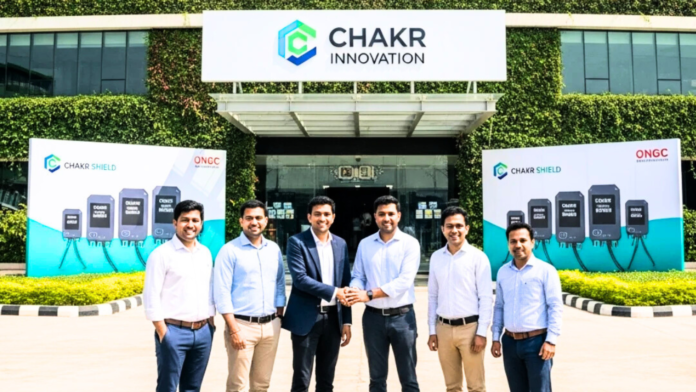
Chakr Innovation, a deep-tech company founded by IIT Delhi alumni and focused on clean technology and materials science, has raised USD 23 million (≈ INR 193.5 crore) in its Series C funding round. The round was led by Iron Pillar, with participation from existing investors such as SBI Capital Ventures (Neev Fund II), ONGC, Indian Angel Network (IAN), and Inflexor Ventures.

This infusion of capital is set to sharpen Chakr’s competitive edge in emissions control, energy storage, international markets, and materials science. The following is a detailed look at how Chakr reached this juncture, what it offers, and what lies ahead.


Company Profile

AttributeDetails
NameChakr Innovation Pvt. Ltd.
Founded2016
Founders / LeadershipCo-founders: Kushagra Srivastava (CEO) Arpit Dhupar Bharti Singhla. Key leadership includes Anmol Khandelwal (Executive Director – Emission Control Head), Vikram Qanungo (CFO), others in product development & production.
Headquarters and Manufacturing FacilitiesHQ: Gurugram, Haryana. Manufacturing units in Gurugram and Pune.
Size & TeamOver 450 full-time employees, including 200+ engineers & scientists.
Patents and IPAround 42 patent applications filed. Earlier product versions had several patents; in total about 35 patents (7 granted) for Chakr Shield etc.

Funding & Financials / Funding History

RoundAmount / DetailsInvestors / Notes
Series C (Sep 2025)USD 23 million (~INR 193.5 crore)Lead: Iron Pillar; existing investors SBI Cap Ventures, ONGC, IAN, Inflexor. Use: increase manufacturing, international expansion, backward integration, R&D in energy storage and material science.
Series BNot fully disclosed; raised in November 2021 via SBICap Ventures’ Neev Fund II.
Series A (2019)~ ₹19 crore (~USD 2.9 million)Led by IAN Fund; other participants: Jyoti Sagar, IDFC Parampara Fund. Used to scale operations and expand to more cities.

Financial performance (latest year, FY24):

  • Revenue: ~ ₹124.8 crore
  • Net profit: ~ ₹9.5 crore

Products & Services

Chakr Innovation has developed a portfolio of solutions aimed at emissions control, clean air, energy storage, and remote monitoring. Key offerings include:

Product / SolutionWhat it DoesKey Features / Differentiators
Chakr Shield (RECD: Retrofit Emission Control Device)A device retrofitted on existing stationary diesel generators (DG sets) to reduce harmful emissions (Particulate Matter (PM), Carbon Monoxide (CO), Hydrocarbons (HC)).Up to ~80-90% reduction in particulate emissions; Type-approved by CPCB-recognized labs; minimal impact on generator performance; compatible across DG capacities; patented catalyst-based technology. Over 4,000-5,000 installations, ~2,000 customers.
Dual Fuel KitAllows DGs to run on a mix of natural gas and diesel (e.g., ~70% natural gas, 30% diesel), reducing fossil fuel emissions.
DeNOx SystemsEmission control for nitrogen oxides (NOx) — used for industrial exhausts / gensets.
IoT-based DG remote monitoringFor diagnostics, performance tracking and maintenance, ensuring compliance & operational reliability.
Metal-Air / Aluminium-Air Battery TechnologiesAlternative energy storage tech, using indigenous raw materials to reduce dependency on lithium-ion, possibly offering higher energy densities. Under R&D / early commercialization stages.

Market, Impact & Metrics

  • Installations & Customers: Chakr Innovation has over 5,000 installations and more than 2,000 customers across India.
  • Emission Reduction / Environmental Impact: Claims of reducing ~2.5 million tonnes CO₂ equivalent emissions via its deployed solutions thus far.
  • Regulatory / Compliance Context:
    • India’s CPCB (Central Pollution Control Board), CAQM (Commission for Air Quality Management), National Clean Air Programme (NCAP), and State Pollution Control Boards are pushing for stricter emissions norms, especially in non-attainment cities. Retrofits for DG sets are increasingly being mandated or recommended.
    • Chakr Shield obtained Type Approval via labs recognized by CPCB in 2022.
  • Revenue & Profitability: FY24 revenue ~ ₹124.8 crore, net profit ~ ₹9.5 crore.
  • Team & R&D: Over 450 employees; 200+ are engineers/scientists. 42 patent applications.

Leader Profiles

  • Kushagra Srivastava, Co-founder & CEO
    An engineer from IIT Delhi, Kushagra has led Chakr from its early R&D days, through product development, regulatory approvals, commercialization, and scaling. He has been vocal about materials science being strategic for India, especially under pressures in global supply chains.
  • Arpit Dhupar, Co-founder
    Also an IIT Delhi alumnus, engaged in product innovation, especially in early emission control and sustainable materials.
  • Other Leadership:
    Anmol Khandelwal (Exec Director – Emission Control), Vinod Bhoir (Production), Swati Devi & Abhijit Datta (New Product Development), Parth Sarthi (Product Management) among others.

Use of Series C Funding

Chakr has laid out clear strategic handles for this new capital raise:

  1. Scaling Manufacturing Capacity — Expand output, speed up production, improve unit economics.
  2. International Expansion — Enter new geographic markets, possibly outside India.
  3. Backward Integration — Build or bring in more elements of the supply chain in-house, especially critical materials, to reduce dependency and cost.
  4. Advanced R&D / Materials Science Centre — Specifically into indigenous energy storage alternatives (e.g. aluminium-air), critical materials, etc.

Opportunities & Challenges

Opportunities

  • Rising regulatory pressure on emissions, especially DG sets in non-attainment zones under NCAP, which could drive demand.
  • ESG / sustainability mandates among corporates, public sector, and real estate.
  • India’s policy push for self-reliance (“Atmanirbhar Bharat”) in technology & critical materials.
  • Growing global attention to air quality and climate mitigation technologies could open export markets.

Challenges

  • Certification, approvals, compliance across different geographies can be laborious and time consuming.
  • Ensuring performance across wide range of DG capacities, varying fuel qualities, and operating conditions.
  • Competition from other emission control technologies and alternative fuels.
  • Scaling indigenous energy storage is tough — materials, cost, durability, commercial viability.

FAQs

What is a Retrofit Emission Control Device (RECD)?

A device fitted onto existing diesel generators (DG sets) to reduce pollutants like particulate matter (PM2.5 / PM), hydrocarbons (HC), carbon monoxide (CO), often using catalytic or filtration technology. Unlike replacing the generator, RECD retrofits improve emissions from existing equipment.

How effective is Chakr Shield?

It reduces particulate emissions by over 80-90% depending on the model and installation. Also certified by CPCB labs.

Does using RECD affect generator performance or fuel efficiency?

No major negative impact. Chakr claims the Shield maintains generator efficiency and does not lead to significant increase in fuel consumption.

Is RECD mandatory?

In many non-attainment cities and under newer air quality regulations (CPCB / CAQM / NCAP), retrofits for DG sets are becoming required or strongly encouraged. Those not compliant may face penalties or sealing.

What are other Chakr products beyond Chakr Shield?

Dual Fuel Kit (mixing natural gas + diesel), DeNOx systems for NOx control, DG remote monitoring via IoT, and work on metal-air / aluminium-air batteries as energy storage alternatives.

What is the size of Chakr’s team and IP portfolio?

450 people in total; 200+ engineers/scientists. ~42 patent applications.


Why This Matters: Broader Implications

  • Clean Air + Public Health: With 100+ million people in India exposed to unhealthy air levels (especially in winter), technologies like Chakr’s can make measurable improvements in PM2.5 and PM10 levels.
  • Energy Storage Independence: Moving beyond lithium-ion (which often depends on imports for critical raw materials) could reduce supply chain risk and costs as demand scales.
  • India as a Deeptech Hub: Success stories like Chakr support the narrative that Indian startups can do serious hardware, materials, and regulatory-heavy products — not just software / services.
  • Climate and ESG: Corporations, governments, and financiers globally are aligning more with ESG / net zero commitments; Chakr’s solutions provide tools to meet those targets.

Revised Conclusion & Outlook

Chakr Innovation’s $23 million Series C is more than a capital milestone: it signifies that deep tech in clean technology is maturing in India. Chakr has already crossed key validation thresholds — product-market fit with thousands of deployments, regulatory approvals, meaningful emissions reductions, and a growing IP base.

The path ahead involves scaling with quality, innovating faster in materials-based energy storage, and expanding beyond Indian borders. If Chakr can successfully navigate regulatory, manufacturing and cost challenges, it may evolve into one of India’s climate-tech leaders, exporting not just products but clean-tech expertise globally.

Keep Reading:

Vedanta Limited: Company Profile, Business Overview, and Future Outlook

0
Vedanta Limited
Vedanta Limited

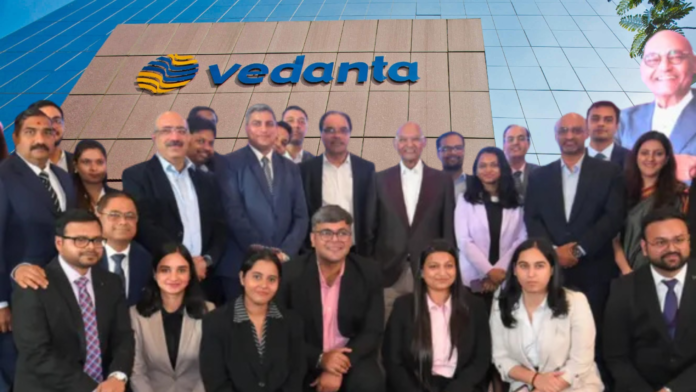
Vedanta Limited is one of India’s largest diversified natural resources companies with a global presence across mining, oil & gas, power generation, and metals. Headquartered in Mumbai, the company operates under the parent group Vedanta Resources Limited, founded by Anil Agarwal. Over the years, Vedanta Limited has become a key player in India’s industrial growth, contributing significantly to energy security, infrastructure, and raw material supply chains.


Company Overview

  • Founded: 1976
  • Founder: Anil Agarwal
  • Headquarters: Mumbai, Maharashtra, India
  • Parent Company: Vedanta Resources Limited (London-based)
  • Chairman: Navin Agarwal
  • Industry: Mining, Oil & Gas, Metals, Power, Renewable Energy
  • Market Cap (2025): Approx. ₹1.2 trillion (as of latest data)

Vedanta Limited is listed on both the BSE and NSE, with a strong investor base in India and abroad.


Leadership at Vedanta Limited

  • Anil Agarwal – Founder & Chairman, Vedanta Resources
  • Navin Agarwal – Chairman, Vedanta Limited
  • Sunil Duggal – Group CEO, Vedanta Limited
  • Ajay Goel – Group CFO
  • Priya Agarwal Hebbar – Non-Executive Director

This leadership team drives Vedanta’s vision of becoming a global leader in natural resources while balancing growth with sustainability.

Funding & Funding History

  • Initial Growth (1976–2000): Started as Sterlite Industries, raised early capital through public listings in India.
  • London Listing (2003): Vedanta Resources PLC was listed on the London Stock Exchange, raising $1 billion in its IPO.
  • Acquisitions:
    • 2001: Acquired BALCO (Bharat Aluminium Company).
    • 2003: Acquired majority stake in Hindustan Zinc Limited (HZL).
    • 2011: Acquired Cairn India, one of India’s top private oil & gas companies.
  • Privatization (2018): Vedanta Resources was delisted from the London Stock Exchange, consolidating under Vedanta Limited.
  • Debt Management (2023–2025): Actively reducing debt and restructuring financing, supported by bonds and refinancing deals.

Business Segments of Vedanta Limited

1. Zinc & Lead

  • Operated through Hindustan Zinc Limited (HZL), one of the world’s largest zinc producers.
  • Major facilities in Rajasthan.

2. Oil & Gas

  • Operated under Cairn Oil & Gas, India’s largest private sector oil producer.
  • Contributes significantly to India’s domestic crude oil production.

3. Aluminium

  • Among the top aluminium producers in India.
  • Operates large smelters and captive power plants.

4. Copper

  • Previously operated one of India’s biggest copper smelters in Tamil Nadu (Sterlite Copper).
  • Currently exploring expansion plans for copper production to reduce import dependence.

5. Iron Ore & Steel

  • Mining operations in Goa and Karnataka.
  • Recently entered the steel sector with value-added products.

6. Power

  • Operates both thermal and renewable energy projects.
  • Focused on green energy transition.

Recent Developments (2024–2025)

  • Debt Reduction Strategy: Vedanta has been actively working on deleveraging and restructuring its debt.
  • Green Energy Investments: The company has pledged significant investment in renewable energy projects, supporting India’s net-zero 2070 goals.
  • Semiconductor Foray: Vedanta, in partnership with Foxconn, announced plans to enter the semiconductor and display manufacturing space in India.
  • Oil Production Boost: Cairn Oil & Gas is ramping up production with new field developments.

Market Position & Financial Performance

  • Revenue (FY 2024): Over ₹1.4 trillion
  • EBITDA (FY 2024): Approx. ₹36,000 crore
  • Global Presence: India, South Africa, Namibia, Liberia, Ireland, and Australia.

Vedanta Limited remains one of the top contributors to India’s mining and natural resources industry, playing a critical role in domestic supply security.


Sustainability & CSR Initiatives

Vedanta Limited invests heavily in sustainability, ESG goals, and community welfare. Its flagship program, Vedanta Cares, focuses on:

  • Women & child development
  • Healthcare facilities in rural areas
  • Education initiatives
  • Environmental conservation

The company has set a target to achieve net-zero carbon emissions by 2050.


Future Outlook of Vedanta Limited

Vedanta Limited is poised to expand its role in green energy, critical minerals, and technology manufacturing. With increasing demand for resources like aluminium, zinc, and oil, the company is strategically positioned to benefit from India’s rapid infrastructure growth and global transition to renewable energy.

Key growth areas:

  • Renewable energy investments
  • Semiconductor and electronics manufacturing
  • Expansion in zinc and aluminium production
  • Strategic partnerships with global investors

Conclusion

Vedanta Limited continues to be a powerhouse in India’s natural resources and energy sector. With diversified operations, strong financials, and a focus on sustainability, the company is set to play a defining role in India’s journey toward industrial growth and clean energy transition. For investors, policymakers, and industry stakeholders, Vedanta Limited remains a company to watch in the coming decade.


FAQs on Vedanta Limited

Who is the founder of Vedanta Limited?

Anil Agarwal founded Vedanta Limited in 1976.

What industries does Vedanta operate in?

Vedanta operates in oil & gas, zinc, lead, aluminium, copper, iron ore, steel, power, and renewable energy.

Is Vedanta Limited listed on the stock market?

Yes, Vedanta Limited is listed on both the BSE (Bombay Stock Exchange) and NSE (National Stock Exchange) of India.

What is Vedanta’s market capitalization?

As of 2025, Vedanta Limited has a market cap of approximately ₹1.2 trillion.

What is Vedanta’s future growth strategy?

Vedanta is focusing on green energy, semiconductor manufacturing, critical mineral exploration, and expanding its oil & gas output.

Keep Reading:

The Rise of the Social Enterprise: How to Build a Business That Does Good and Does Well

1

The business world is undergoing a fundamental transformation. Gone are the days when profit alone defined success. Today, social enterprises are emerging as a powerful force—organizations that blend mission-driven purpose with sustainable profits. These enterprises are not just making money; they are solving global problems and empowering communities, all while building strong brands and loyal customer bases.

In this guide, we explore the rise of the social enterprise, its key characteristics, and how you can build a business that does good and does well in today’s competitive landscape.


What is a Social Enterprise?

A social enterprise is a business that prioritizes social, environmental, or community impact alongside financial returns. Unlike traditional nonprofits or purely commercial ventures, social enterprises operate at the intersection of purpose and profit.

Key Features of Social Enterprises:

  • Mission-driven business models
  • Revenue-generating activities
  • Reinvestment of profits into social goals
  • Transparent and ethical operations
  • Measurable social or environmental impact

Why Social Enterprises Are Thriving

Several global trends are fueling the rise of social enterprises:

1. Conscious Consumers

Millennials and Gen Z are leading a shift in consumer behavior. They are more likely to support brands that reflect their values—sustainability, inclusivity, and ethical practices.

2. Access to Impact Funding

From impact investors to ESG funds, capital is increasingly flowing toward businesses that deliver measurable positive outcomes.

3. Government & Policy Support

Governments around the world are recognizing the potential of social enterprises and offering grants, tax reliefs, and accelerator programs to support them.

4. Talent Magnetism

Top talent is gravitating toward purpose-driven organizations that offer meaningful work beyond profit.


Steps to Build a Successful Social Enterprise

1. Define Your Mission Clearly

Your social mission should be as clear and measurable as your financial goals. Identify the core problem your enterprise aims to solve—be it hunger, education, climate change, or inequality.

2. Choose a Scalable Business Model

Build a revenue-generating model that aligns with your mission. For instance, TOMS Shoes operates on a “One for One” model, donating a pair of shoes for every purchase.

3. Measure Impact Rigorously

Use frameworks like B Impact Assessment, IRIS+, or SDG metrics to track your social performance alongside financial KPIs.

4. Blend Profit with Purpose

Profit is not a bad word. Sustainable revenue is what allows a social enterprise to scale its impact. Prioritize financial health to amplify long-term mission success.

5. Tell Your Story Authentically

Customers resonate with stories. Share your impact journey, use transparency in reporting, and foster a community around your mission.


Examples of Successful Social Enterprises

EnterpriseSectorMissionNotable Impact
PatagoniaApparelEnvironmental activismDonates 1% of profits to eco-causes
Warby ParkerEyewearVision care for allDistributed 13M+ glasses through “Buy a Pair, Give a Pair”
SELCO IndiaRenewable EnergySolar energy for the underservedPowered 2M+ homes across India
Change PleaseCoffeeEnd homelessnessEmploys homeless people as baristas

Benefits of Starting a Social Enterprise

  • Brand loyalty and trust
  • Access to grants and impact capital
  • Stronger employee engagement
  • Positive media attention
  • Eligibility for B Corp Certification

Challenges to Overcome

  • Balancing mission with profitability
  • Accessing early-stage capital
  • Navigating complex legal structures (e.g., hybrid models)
  • Measuring impact reliably

The Future of Social Enterprises

The global social enterprise market is poised for exponential growth. According to the British Council, over 3 million social enterprises are operating worldwide, and this number is growing rapidly.

Technologies like AI for social good, blockchain for transparency, and climate-tech innovations are opening new avenues for impact-led businesses. As the world demands more ethical entrepreneurship, the social enterprise model is becoming the blueprint for the future of business.


Conclusion

The rise of the social enterprise signifies a new era of business with conscience. Entrepreneurs today have the power to create ventures that generate wealth and transform lives. If you’re looking to build a business that matters, now is the time to embrace the social enterprise model—where purpose drives profits, and impact is the bottom line.


FAQs About Social Enterprises

Can social enterprises be profitable?

Yes. Social enterprises aim to be financially sustainable while achieving their social mission. Profitability supports long-term impact.

Do social enterprises get funding?

Yes. They attract impact investors, CSR funds, grants, and even traditional VCs if scalability is evident.

Is certification like B Corp necessary?

Not mandatory, but B Corp certification enhances credibility and provides access to a global network of like-minded businesses.

How do I measure the impact of my social enterprise?

Use tools like IRIS+, B Impact Assessment, and track KPIs aligned with your mission (e.g., lives impacted, carbon saved).

Can any business become a social enterprise?

With a clear mission, ethical practices, and impact focus—yes. But the transition must be genuine, not just marketing.

The Founder’s Legal Checklist: 10 Things You Need to Do Before Launching

0
The Founder's Legal Checklist

Launching a startup is exciting, but overlooking legal requirements can cost you time, money, and even your business. Before you build your product or pitch investors, make sure your foundation is legally solid.

Here’s the ultimate founder’s legal checklist—10 critical steps every entrepreneur must take before launching a startup.


1. Choose the Right Business Structure

Your business structure affects taxes, liability, fundraising, and operational flexibility. Common options include:

  • Sole Proprietorship – Simple but risky (no liability protection)
  • LLC (Limited Liability Company) – Flexible and provides liability protection
  • C-Corp – Ideal for venture-backed startups
  • S-Corp – Tax advantages but strict eligibility

Tip: Most tech startups choose a Delaware C-Corp for investor preference and legal predictability.


2. Register Your Business

Register your company with the appropriate government agencies, including:

  • State registration (e.g., Delaware Secretary of State)
  • EIN (Employer Identification Number) from the IRS
  • Local permits and licenses depending on your industry and location

3. Protect Your Intellectual Property (IP)

Ideas alone aren’t protected—secure your IP to prevent theft or misuse:

  • Trademarks – For your brand name, logo, or slogan
  • Patents – For inventions and novel processes
  • Copyrights – For content, software, and creative assets
  • NDAs (Non-Disclosure Agreements) – To protect confidential info when working with others

4. Draft a Founder’s Agreement

Founder’s disputes are a leading cause of startup failure. Clearly define:

  • Roles and responsibilities
  • Equity split
  • Vesting schedule
  • Decision-making processes
  • Exit strategy

Tip: Include a standard 4-year vesting with a 1-year cliff for equity.


5. Incorporate Vesting Agreements

To avoid a co-founder leaving early with a large stake, use equity vesting clauses. This protects both the company and co-founders.

  • Standard: 4-year vesting, 1-year cliff
  • Vesting tied to performance or milestones is also an option

6. Get Legal Contracts in Place

Contracts set expectations and reduce risk. You’ll need:

  • Employment agreements
  • Independent contractor agreements
  • Advisor agreements
  • Terms of Service and Privacy Policies for apps or websites

7. Comply With Employment Laws

Before hiring, understand:

  • Worker classification (employee vs. contractor)
  • Payroll taxes and filings
  • Workplace policies and compliance
  • Equity compensation (e.g., stock options, 83(b) election)

8. Open a Business Bank Account

Never mix personal and business finances. Open a dedicated business bank account for:

  • Legal protection
  • Accurate bookkeeping
  • Investor trust
  • Easier tax filing

9. Understand Your Tax Obligations

Avoid IRS trouble by staying on top of:

  • Estimated taxes
  • State sales tax (if applicable)
  • Corporate taxes
  • Self-employment tax
  • 83(b) filing within 30 days of equity grants

Tip: Hire a CPA who understands startups.


10. Get the Right Business Insurance

Depending on your business model, consider:

  • General Liability Insurance
  • Professional Liability Insurance
  • Cyber Liability Insurance
  • Workers’ Compensation

Insurance can protect you from lawsuits, employee injuries, and data breaches.


Bonus: Legal Tools and Services for Founders

Here are some useful legal platforms tailored for startups:

ToolPurpose
ClerkyIncorporation, SAFEs, and hiring docs
Stripe AtlasQuick company setup and banking
LegalZoomDIY legal filings
CartaCap table and equity management
DocuSignE-signatures for legal contracts

FAQs on Startup Legal Checklist

Do I need a lawyer to start a business?

While DIY platforms exist, a startup lawyer can save you from costly mistakes, especially for funding, IP, and contracts.

When should I trademark my brand name?

As early as possible—ideally before launching your product or marketing publicly.

What is a 83(b) election, and why is it important?

An 83(b) election allows you to pay taxes on equity upfront, potentially saving you huge sums if your company increases in value.

Can I use a template for contracts?

Templates are a good start but should be reviewed by a legal expert to ensure they’re enforceable and suited to your situation.

How do I issue equity to employees?

Use a stock option plan, ideally managed through tools like Carta. Consult a lawyer for proper documentation.


Final Thoughts

Startups that lay a solid legal foundation are more likely to survive, scale, and attract investors. The founder’s legal checklist is not just a formality—it’s a business essential. Prioritize legal readiness today to prevent regrets tomorrow.


Keep Reading:

Alternative Funding for Startups: Innovative Ways to Raise Capital in 2025

0
Alternative Funding for Startups

In today’s dynamic entrepreneurial ecosystem, alternative funding for startups has emerged as a powerful solution for founders seeking capital without going down the traditional venture capital or bank loan route. As innovation in finance continues to evolve, startup founders now have access to a variety of creative, flexible, and accessible financing options that can help them launch, grow, and scale.

This article explores the top alternative funding sources in 2025, their advantages, how they compare to traditional funding, and what founders need to know before diving in.


???? What Is Alternative Funding?

Alternative funding refers to non-traditional ways of raising capital that do not involve banks, venture capitalists, or stock markets. These funding sources offer flexibility, are often faster to secure, and come with fewer regulatory hurdles, making them particularly attractive for early-stage startups.


???? Top Alternative Funding Options for Startups in 2025

1. Crowdfunding Platforms

Crowdfunding allows startups to raise small amounts of money from a large number of people, usually via online platforms like Kickstarter, Indiegogo, Fundable, and Republic.

Types of Crowdfunding:

  • Rewards-based: Backers receive perks or early access.
  • Equity-based: Investors get shares in the company.
  • Donation-based: No returns, typically for social causes.

???? Best for: Consumer-facing products and early market validation.


2. Revenue-Based Financing (RBF)

RBF allows startups to raise funds in exchange for a percentage of future monthly revenue. Unlike equity investment, founders don’t give up ownership.

???? Popular RBF platforms: Clearco, Lighter Capital, Pipe
???? Best for: Startups with consistent revenue and low margins.


3. Angel Investors and Syndicates

Angel investors are affluent individuals who fund startups in exchange for equity or convertible debt. In 2025, angel syndicates on platforms like AngelList or SeedInvest have become more common, pooling capital to fund promising startups.

???? Best for: Early-stage startups with scalable business models.


4. Startup Accelerators and Incubators

Accelerators like Y Combinator, Techstars, and 500 Global offer seed funding, mentorship, and networking in exchange for equity.

???? Best for: Pre-seed to seed-stage startups aiming to scale fast.


5. Grants and Competitions

Governments, universities, and private organizations offer non-dilutive grants to startups in areas like technology, sustainability, and social impact.

???? Popular sources: SBIR/STTR (US), Startup India Seed Fund Scheme, EU Horizon Grants
???? Best for: Tech and impact-driven startups needing R&D funds.


6. Convertible Notes & SAFEs

These are hybrid instruments that delay valuation discussions. Simple Agreement for Future Equity (SAFE) is a popular tool pioneered by Y Combinator, providing a flexible way to raise capital without immediate equity dilution.

???? Best for: Startups looking for a bridge round before a priced equity round.


7. Venture Debt

Offered by specialized lenders, venture debt is a type of loan available to startups that have already raised equity. It provides working capital without further dilution.

???? Popular lenders: SVB, Trifecta Capital, InnoVen Capital
???? Best for: Growth-stage startups that want to extend their runway.


8. Token Sales & Blockchain-Based Funding

With the rise of Web3, Initial Coin Offerings (ICOs), Security Token Offerings (STOs), and NFT funding models have emerged as viable options, especially for decentralized applications (dApps) and blockchain startups.

???? Best for: Tech startups in the blockchain/Web3 space.

Also Read: Series Funding Explained: A Complete Guide for Startups in 2025


???? Market Trends: Why Alternative Funding Is Gaining Popularity

  • ???? VC Fatigue: Founders are increasingly cautious of giving up control too early.
  • ???? Access to Tools: Fintech platforms make alternative funding more accessible.
  • ???? Globalization: Founders can now tap into global investor networks.
  • ???? Customizable Terms: Tailored funding instruments better match business needs.

✅ Benefits of Alternative Funding

  • ✔️ Non-dilutive or less dilutive
  • ✔️ Faster approval and less paperwork
  • ✔️ Flexibility in repayment or exit options
  • ✔️ Greater control retained by founders
  • ✔️ Market validation through public backing

⚠️ Things to Consider

Before choosing an alternative funding route, startups should:

  • Evaluate cost of capital (interest, equity given up, etc.)
  • Check legal and tax implications
  • Analyze cash flow impact
  • Understand investor expectations
  • Ensure alignment with long-term goals

???? How to Choose the Right Alternative Funding Source

CriteriaBest Options
No equity dilutionCrowdfunding, Grants, RBF
Fast capitalRevenue-Based Financing, Angel Syndicates
Strategic mentorshipAccelerators, Angels
Scalable fundingToken Sales, Venture Debt

???? Future Outlook: What’s Next in Startup Funding?

The startup funding landscape is expected to shift even further in 2025–2030:

  • AI-driven funding platforms will automate creditworthiness analysis.
  • Community-led DAOs may become a new form of venture backing.
  • ESG-focused funding will become more prominent.
  • Hybrid models (e.g., equity + token) will blur traditional categories.

???? Conclusion

Alternative funding is no longer just a backup plan—it’s a strategic advantage. Whether you’re an early-stage founder validating an idea or a growth-stage startup seeking non-dilutive capital, today’s financing options offer unprecedented flexibility and control.

In a world where innovation defines success, so too must founders innovate in how they fund their visions.


???? FAQs

What is the most founder-friendly alternative funding method?

Revenue-Based Financing and grants are often considered the most founder-friendly due to low or no equity dilution.

Can I combine multiple alternative funding sources?

Yes, many startups layer funding—e.g., crowdfunding + RBF + grants—for a more robust capital stack.

Are alternative funding methods regulated?

Some, like equity crowdfunding and STOs, are regulated by financial authorities, while others like donation-based crowdfunding may be less regulated.

Is venture capital still necessary if I use alternative funding?

Not always. Many startups grow successfully without VC backing, especially with access to scalable alternative funding.