Home Blog Page 23

How Gina Rinehart Is Tapping Into the Future of Clean Energy and Technology

0
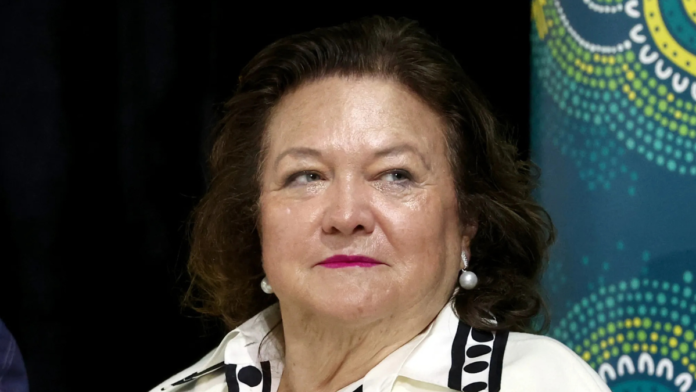
Gina Rinehart
Gina Rinehart

Australia’s richest woman, Gina Rinehart, is making waves beyond the mining sectors she’s traditionally dominated. With a bold pivot toward the future, Rinehart has amassed a rare earths portfolio valued at an estimated $800 million, positioning herself at the forefront of the green energy transition and the global tech race.

What Are Rare Earths and Why Are They Important?

Rare earth elements (REEs) are a group of 17 metals essential to modern technology and clean energy applications. They power everything from smartphones and electric vehicles (EVs) to wind turbines and military systems. As the world moves toward decarbonization and digital transformation, demand for these critical minerals is soaring.

China currently dominates the global supply chain, controlling more than 80% of rare earth processing. This has created strategic urgency for countries like Australia to develop their own supply chains—and that’s where Rinehart comes in.

Gina Rinehart’s Strategic Move into Rare Earths

Rinehart, through her privately-owned company Hancock Prospecting, has strategically invested in several key rare earths projects across Australia. Her flagship investment is a significant stake in Arafura Rare Earths, the company behind the Nolans Project in the Northern Territory. This advanced-stage project is expected to become a major global supplier of neodymium and praseodymium (NdPr), essential components in high-performance magnets used in EVs and wind turbines.

In addition to Arafura, Rinehart has also partnered with VHM Limited, focusing on critical minerals in Victoria, and has shown interest in Peak Rare Earths, operating in Tanzania. These investments not only diversify her mining empire but also align with global trends toward sustainability, electrification, and technological independence.

The Value Behind the $800 Million Portfolio

The combined market value of Rinehart’s rare earths investments is approaching $800 million, but the strategic value could be even higher. These projects offer:

  • Long-term growth potential amid rising global demand for REEs
  • Geopolitical importance in reducing Western reliance on China
  • Environmental benefits, as rare earths are vital for clean energy technologies

Her investments are also supported by Australia’s federal policies encouraging critical mineral development and export expansion.

Why This Matters for Australia and the World

As governments and industries scramble to secure stable supplies of rare earths, Australia is emerging as a key player. With vast untapped reserves, strong regulatory frameworks, and advanced mining infrastructure, the country is perfectly positioned to meet global needs.

Rinehart’s move amplifies this opportunity. By deploying capital, influence, and operational know-how, she’s not only expanding her fortune but helping reshape Australia’s role in the global energy transition.

Final Thoughts: The Billion-Dollar Future of Rare Earths

Gina Rinehart’s rare earths push isn’t just another business venture—it’s a calculated play into the backbone of future technologies. With her $800 million portfolio, she is helping secure critical mineral independence for the West and reinforcing her legacy as a forward-thinking mining magnate.

As the race for rare earths intensifies, all eyes are on Australia—and its richest woman is leading the charge.


Law Students Push Back Against Law Firms Capitulating to Trump: A Growing Resistance

0
Context of the Second Trump Administration’s Campaign Against Big Law

Since February 2025, President Trump has wielded executive orders to threaten and punish major law firms that represented his political opponents or employed his critics, cutting them off from government contracts and barring access to federal courthouses unless they capitulate to his demands. To date, three firms—Perkins Coie, WilmerHale and Jenner & Block—have challenged those orders in federal court and won rulings blocking the most punitive provisions. Meanwhile, other firms have “taken the deal,” agreeing to pledge up to $100 million in pro bono legal services for Trump‑approved causes and to roll back diversity, equity and inclusion (DEI) initiatives rather than face the economic threats of targeted executive actions.

Firms That Held the Line Versus Those That Caved

Among the firms resisting Trump’s orders are:

  • Perkins Coie, WilmerHale, Jenner & Block – each secured temporary restraining orders blocking Trump’s directives.
  • Susman Godfrey – has publicly pledged to mount its own legal challenge.

Conversely, nine of the Top 100 firms by revenue have struck “deals” with the administration, including:

  • Paul Weiss (first to settle)
  • Skadden Arps, Willkie Farr, Milbank, Kirkland & Ellis, Simpson Thacher & Bartlett, Cadwalader Wickersham & Taft, A&O Shearman, among others.

Stephen Miller, senior Trump aide, crowed that “we’re going to be close to a billion [dollars of pro bono commitments] soon” as the administration added more firms to its list of “cooperative” practices.

Broad Professional Backlash and Student-Led Resistance

The legal profession’s establishment has not been silent:

  • American Bar Association and over 50 state and local bar associations condemned the orders as unconstitutional.
  • Nearly 80 law school deans signed a joint letter denouncing the administration’s targeting of firms as violations of the First and Sixth Amendments.
  • 21 Democratic state attorneys general called on the profession to defend the rule of law.
  • 82 Harvard Law professors joined an open letter accusing the Trump administration of “weaponizing federal power to compel ideological conformity”.

At the associate level, Rachel Cohen, a third-year associate at Skadden, spearheaded an open letter—signed by over 1,500 associates as of March 27—urging Big Law leaders to stand united in defense of the profession. After Skadden quietly approached the administration to negotiate its own agreement, two more associates, Brenna Trout Frey and Thomas Sipp, publicly resigned in protest, denouncing their firm’s “craven surrender” to political coercion. Scores of alumni from Skadden and Paul Weiss have now added their names to alumni letters condemning their firms’ decisions as “on the wrong side of history”.

Campus Recruiting and the Student Calculus: Money Versus Morals

Big Law’s $245,000 starting salaries remain a powerful draw—especially against an average law‑school debt of $118,000—but students are weighing principled stands more heavily than ever before. According to Bloomberg Law:

  • Applications to U.S. law schools are up 23% this cycle.
  • One in five new law grads ends up in work not requiring bar admission.
  • Paul Weiss alone hired 182 associates in 2024—a 48% increase over 2023, underscoring Big Law’s voracious appetite for talent despite the political turmoil.

Yet at Georgetown Law, a student affinity group canceled a recruiting event with Skadden Arps, issuing a letter that its deal with Trump “demonstrates a lack of moral courage and a capitulation to political coercion,” and pledging to withhold top candidates from firms that caved under pressure. Co‑president Caleb Frye, a second‑year student, stressed: “We know we’re not going to convince everyone, but we want Skadden to know they won’t get the very best candidates”.

Shifting Preferences: Favoring Firms That Fight Back

A host of firms have leveraged principled resistance into recruiting advantages:

  • Perkins Coie saw no hesitation in articulating its position during campus events.
  • Covington & Burling, one of only 11 Vault 100 firms to sign an amicus brief supporting Perkins Coie, is elevated in many student rankings. As one Covington associate put it, “I can honestly and vociferously say we do not stand with those who capitulated”—a message that resonates strongly with recruits.
  • Selendy Gay, an emerging boutique, drew praise from Stanford Law’s Bryce Tuttle after signing the same amicus brief—a sign that students are paying attention to principle as much as prestige.

The Student Role in Upholding the Rule of Law

Beyond recruiting events, students are mobilizing in other ways. Lawyers Defending American Democracy’s Lauren Stiller Rikleen argues that the “lever of law student pressure” may be one of the few hopes for preserving the independent practice of law, calling on students nationwide to lobby, speak out, and consider the long‑term reputational costs of supporting firms that bend to political coercion.

Conclusion: A Profession at a Crossroads

The tug‑of‑war between market incentives (six‑figure salaries, coastal offices) and professional ethics (defending judicial independence, resisting political extortion) has never been more acute. Law students—facing crippling debt but armed with moral conviction—are increasingly willing to sacrifice short‑term gains for long‑term integrity. Whether this shift will force Big Law to rethink its acquiescence or simply spawn a parallel “resistance” recruitment pipeline remains to be seen. But for the first time in generations, the future of the legal profession may hinge on the choices of its newest members.

The Visionary Behind Nick Saban’s Billion-Dollar Future: Joe Agresti and the Dream Motor Empire

0
Nick Saban and Joe Agresti

Nick Saban’s path to billionaire status hinges on a little‑known partner: Joe Agresti, the driving force behind Dream Motor Group. A 20‑year industry veteran, Agresti has quietly built a luxury‑car empire that now generates nearly $2 billion in annual revenues and sold over 20,000 Mercedes‑Benz vehicles last year. Because Nick Saban owns a significant equity stake alongside Agresti, the meteoric rise of Dream Motor Group’s valuation is on track to catapult the legendary coach into the billionaire ranks.

From Regional Dealer to Luxury Empire

Joe Agresti began his automotive career working at franchised dealerships in the Southeast before launching Dream Motor Group. Through strategic acquisitions and operational rigor, he scaled the business to nine Mercedes‑Benz franchises across multiple states, plus complementary Infiniti and Ferrari outlets. Today, Dream Motor moves roughly 20,000 new Mercedes vehicles annually—among the highest volumes for any privately held Mercedes‑Benz dealer in the U.S.

A Partnership Built on Mutual Strengths

In 2020, football icon Nick Saban joined forces with Agresti and former Mercedes‑Benz USA CEO Steve Cannon to form Dream Motor Group. Saban’s name and network brought invaluable brand cachet and community goodwill, while Agresti continues to manage day‑to‑day operations and owns the majority of the equity. According to industry observers, this blend of star power and operational expertise created a unique model: a celebrity‑anchored dealership group run with executive‑level automotive experience.

Financial Metrics Poised for Explosive Growth

Dream Motor Group’s annual revenues have now climbed to the cusp of $2 billion—an astonishing figure for a nine‑store chain in a fragmented segment of auto retail. That earnings trajectory has propelled Joe Agresti’s personal net worth to approximately $1.1 billion, officially making him a member of the Forbes Billionaires List. With Saban’s equity slice roughly estimated at 20 percent of the venture, similar valuations would place his stake north of $200 million today—with further upside as the group expands.

Expansion into High‑Value Markets

A key driver of Dream Motor’s valuation was its $700 million foray into South Florida in mid‑2023, when the group acquired two Mercedes‑Benz dealerships from Bill Ussery Motors. That transaction added an estimated 2‑3 percent to the company’s annual unit sales, bringing overall volume closer to 22,000 vehicles per year. Industry experts note that Florida’s favorable franchise laws and high margins on luxury brands translated into lucrative goodwill valuations in the deal—underscoring Agresti’s growth playbook of targeting high‑profit markets.

Operational Excellence and Margin Optimization

While many multi‑brand dealer groups chase scale through franchise diversity, Dream Motor doubles down on luxury expertise. By focusing on Mercedes‑Benz, Infiniti, and Ferrari, the group benefits from higher average gross profits per new‑car sale—in the range of $2,000–$5,000 for luxury segments, according to industry benchmarks. Coupled with strong fixed‑ops performance in service and parts, Dream Motor achieves absorption rates above 100 percent, meaning non‑new‑vehicle departments fully cover overhead. This operational discipline has driven net profit margins comfortably above the 1–2 percent industry average.

Brand Leverage and Future Monetization

Nick Saban’s personal brand extends far beyond the showroom: he is seen as a paragon of discipline, excellence, and winning culture. Dream Motor leverages his reputation through community events, sponsorships, and digital storytelling—engaging both sports fans and luxury buyers. Plans are reportedly underway to launch a high‑end detailing and lifestyle division under Saban’s name, potentially adding ancillary revenue streams. Such brand extensions could further inflate the group’s enterprise value, directly benefiting Saban’s personal wealth.

Projected Trajectory to Billionaire Status

Assuming Dream Motor Group maintains its current growth rate—expanding unit volume by 10 percent annually and entering two new markets per year—enterprise value could exceed $3 billion within three years. With Saban’s stake, even a conservative valuation multiple (five times EBITDA) would place his ownership interest comfortably above $1 billion. Given Dream Motor’s profitability profile and numerous scalable levers (additional brand franchises, software‑driven F&I, and e‑commerce channels), industry analysts rank this partnership among the most lucrative celebrity‑investor backing deals of 2025.


By combining Agresti’s operational mastery with Saban’s transcendent brand, Dream Motor Group exemplifies how strategic partnerships in auto retail can produce outsized returns. As NFL and college sports icons increasingly explore business ventures, this deal serves as a blueprint: marquee names plus seasoned operators can yield both high growth and lucrative exits. For Nick Saban, a coach already lauded as the greatest in college football history, the showroom floor may soon match the gridiron in financial glory—ushering him into the exclusive billionaire club.

Why Elon Musk’s First Wife Justine Musk Isn’t a Billionaire – Wealth, Divorce, and Equity Breakdown

0
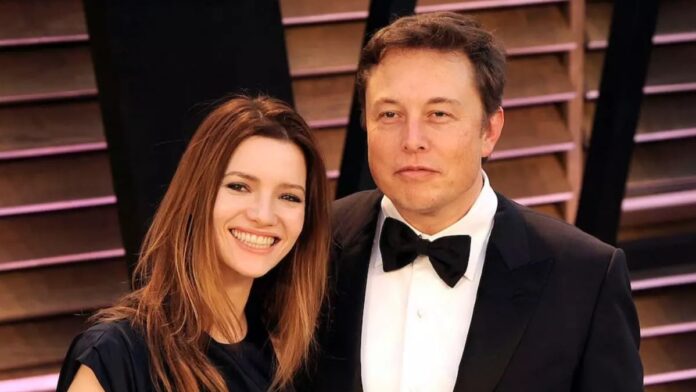
Elon Musk’s First Wife Justine Musk

Despite sharing years of marriage during Elon Musk’s foundational career phase, Justine Musk’s personal fortune pales in comparison to her ex-husband’s staggering wealth. As of March 2025, Elon Musk’s net worth is estimated at approximately $330 billion, driven primarily by his major holdings in Tesla and SpaceX. By contrast, credible estimates place Justine Musk’s net worth at around $15 million—roughly 0.005% of Elon’s holdings. This article examines the legal, financial, and professional factors that have resulted in this vast disparity.

Background: Who Is Justine Musk?

Born Jennifer Justine Wilson on September 2, 1972, in Peterborough, Ontario, Justine Musk graduated from Queen’s University with a degree in English literature and later established herself as a novelist in the science-fiction and fantasy genres. Before her marriage to Elon in 2000—and throughout her writing career—she authored the contemporary fantasy novels BloodAngel (2005), Uninvited (2007), and its sequel Lord of Bones (2008). After their 2008 divorce, she further expanded her influence as a blogger and public speaker focused on creativity and personal development.

Divorce Settlement and Equity Claims

During their divorce proceedings in early 2008, Justine Musk petitioned for substantial stakes in her then-husband’s ventures, requesting the marital home, ongoing child support, 10% of Tesla shares, and 5% of SpaceX shares. However, the couple had signed a postnuptial agreement stipulating a predetermined settlement. According to Elon Musk’s public statements, that agreement awarded Justine approximately $20 million after tax—half allocated as the Bel Air residence and half as direct support payments—with subsequent offers up to $80 million declined when she insisted on corporate equity instead.

Justine Musk’s Net Worth

Justine Musk’s financial standing today is anchored in the settlement proceeds, residual book royalties, and her earnings as a speaker and influencer. Forbes estimates her current net worth at about $15 million, based on public records of her novel royalties and the reported settlement size. Other analyses place her wealth between $10 million and $20 million, accounting for ongoing revenue streams from her digital content and creative endeavors.

Sources of Her Wealth

  1. Book Royalties: Justine’s early novels, especially BloodAngel, sold well in the fantasy niche. Though exact figures aren’t public, dark-fantasy authors typically earn 10% royalties on a $25 list price, supplemented by international and digital editions.
  2. Speaking and Workshops: Post-divorce, she leveraged her experiences into paid speaking engagements on creativity, entrepreneurship, and personal growth—often commanding five‑figure fees per event.
  3. Blogging and Content Creation: Her dedicated readership on platforms like Pinterest and her personal blog generate advertising and affiliate revenue streams.
  4. Investments and Assets: While details remain private, any real-estate holdings beyond the Bel Air home and diversified portfolio assets contribute to her net worth.

Net Worth Disparity: Elon vs. Justine

A side‑by‑side comparison underscores the gulf: Elon Musk’s approximately $330 billion fortune dwarfs Justine’s $15 million by a factor of 22,000. Elon’s wealth is largely unrealized gains tied up in Tesla (58.3%) and SpaceX (26.6%), with stakes in X.AI, and other ventures . In contrast, Justine’s fortune is liquid, derived from book sales and settlement funds, without any ownership in high‑growth tech enterprises.

Postnuptial Agreement and Equity Exclusion

The core reason Justine Musk never shared Elon’s exponential wealth growth lies in their 2000 postnuptial agreement. Under California law, absent such an agreement she could have claimed up to 50% of marital assets. However, by signing early into Elon’s pre‑billionaire phase, she agreed to fixed settlement terms that excluded equity stakes in his companies—an agreement later upheld in California courts in May 2008. Their divorce finalized that year, leaving Justine without any direct claim to Tesla or SpaceX shares when they later went public and multiplied in value.

Lifestyle, Expenses, and Co-Parenting

Justine Musk is the mother of six children—five with Elon and one from a previous relationship. She retained the Bel Air home as part of her settlement and continues to receive monthly support, so Elon covers the bulk of their co‑parenting expenses. Post‑divorce, Elon publicly acknowledged covering all educational and medical costs for their children, in addition to regular support payments. While generous by typical standards, these provisions still represent a minute fraction of his billionaire lifestyle.

Conclusion

Justine Musk’s status as a millionaire instead of a billionaire results from the timing and terms of her postnuptial agreement, coupled with her professional pivot to creative work rather than technology entrepreneurship. Her $15 million net worth reflects a successful writing and speaking career bolstered by a pre‑negotiated settlement—yet falls drastically short of the fortunes she might have held had she secured equity in Elon’s later‑stage companies. Her journey highlights both the influence of early legal agreements and the challenge of translating spousal support into generational wealth when a partner’s enterprises undergo meteoric value growth.

Malaysia’s Billionaire Tycoons, Including Robert Kuok, Eye Windfall in Data Center Boom

1
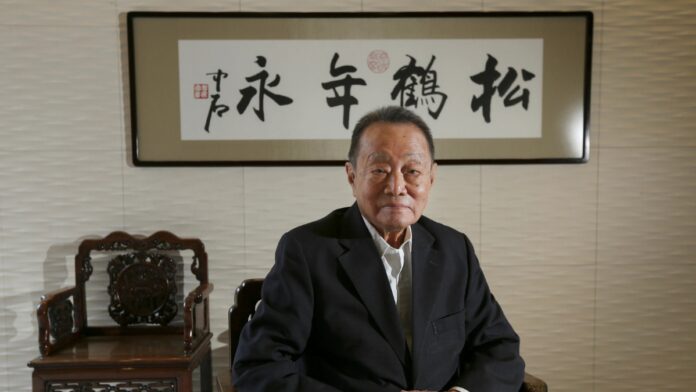
Robert Kuok
Robert Kuok

As global demand for cloud computing, AI services, and digital infrastructure accelerates, Malaysia is positioning itself as Southeast Asia’s rising data center powerhouse. Spearheading this charge are the country’s most influential business magnates, including billionaire Robert Kuok, who are now pivoting towards the digital gold rush.

The Digital Transformation of Malaysia

Malaysia attracted over RM148 billion (approx. $31.5 billion USD) in data center investments in 2024, a significant leap from just RM48 billion in 2023. The country’s data center market is projected to grow at a compound annual growth rate (CAGR) of 12.4% from 2024 to 2030, according to a report by Knight Frank and Technavio.

This momentum is driven by:

  • Rising cloud computing and AI workloads
  • Strategic geographical positioning near Singapore
  • Government support for tech infrastructure and renewable energy adoption
  • Availability of large tracts of land and cheaper electricity rates

Billionaire Robert Kuok: A Strategic Shift?

Robert Kuok, Malaysia’s richest man with a net worth of over $11 billion, is known for his conservative and diversified investment strategy through the Kuok Group. While the group hasn’t publicly confirmed direct involvement in data center development, industry insiders suggest Kuok may be evaluating entry via his logistics and property assets, particularly in Johor and Iskandar Malaysia — regions at the center of this boom.

The Kuok Group has holdings in real estate, logistics, and agribusiness, placing it in a prime position to support or house data center infrastructure, especially via subsidiaries like PPB Group and Kerry Logistics.


Leading Malaysian Tycoons Powering the Boom

Tan Sri Leong Hoy KumMah Sing Group

  • Partnered with Bridge Data Centres
  • Developing a 500MW hyperscale data center park in Southville City, Selangor
  • Estimated value: RM12–15 billion

Datuk Seri Azmir MericanSime Darby Property

  • Building a Google-powered hyperscale facility (RM2 billion) in Elmina Business Park
  • First phase to be operational by Q3 2025

Gooi Seong LimCrescendo Corp

  • Sold RM792 million worth of land to major players like Microsoft, ByteDance, and STT GDC

Datuk Lin Yun LingGamuda Berhad

  • Secured RM3.5 billion in construction contracts for data centers in Cyberjaya and Sungai Buloh

These developers are either building or leasing to AWS, Microsoft Azure, Tencent Cloud, and others who see Malaysia as a strategic backup to Singapore’s space-limited data center market.


Johor: The Next “Digital Port”

Johor’s proximity to Singapore, combined with its lower operational costs and vast land availability, has made it the “Digital Port of Southeast Asia.”

The state government, in partnership with the Malaysian Investment Development Authority (MIDA), has earmarked Iskandar Puteri and Sedenak Tech Park as core digital zones. Sedenak alone is expected to house over 700MW of capacity by 2027.


Environmental Sustainability & Policy Support

While the boom is promising, concerns about the environmental footprint are surfacing. Data centers are high consumers of:

  • Electricity (est. 1.5–2% of global use)
  • Water (for cooling systems)

To address this, Malaysia plans to require 80% of all new data center energy needs to be sourced from renewables by 2035, supported by the National Energy Transition Roadmap (NETR).


Outlook: Billionaire Confidence Meets Tech Opportunity

With AI workloads and cloud services expected to grow by 25% CAGR in Asia-Pacific, data centers are no longer just a tech story—they’re a real estate, logistics, and energy story. Malaysian tycoons, including Robert Kuok, are poised to capitalize on this digital transformation.

Should the Kuok Group formally enter the sector, it would validate the data center boom as a generational wealth opportunity—where land, logistics, and power converge.

Startups Funded by Ghazal Alagh – Investments, Biography, Net Worth & More (2025)

1
Startups Funded by Ghazal Alagh

Ghazal Alagh, co-founder of Mamaearth and a prominent investor on Shark Tank India, has actively supported a diverse range of startups across sectors like health, sustainability, lifestyle, and technology. Her investments reflect a commitment to innovation, ethical entrepreneurship, and consumer-centric solutions.​


???? Notable Startups Funded by Ghazal Alagh

1. Nomad Food Project

  • Industry: Gourmet Food
  • Overview: Specializes in bacon-based condiments like jams and sauces, catering to gourmet food enthusiasts.
  • Investment: ₹10 Lakhs for 5% equity on Shark Tank India.
  • Rationale: Impressed by the founders’ passion and the brand’s unique niche in the condiments market.​

2. Wakao Foods

  • Industry: Plant-Based Foods
  • Overview: Offers jackfruit-based meat alternatives that are healthy, sustainable, and eco-friendly.
  • Investment: ₹25 Lakhs for 7% equity on Shark Tank India.
  • Rationale: Recognized the brand’s potential in the growing plant-based food market.​

3. Skippi Ice Pops

  • Industry: Food & Beverages
  • Overview: India’s first brand offering naturally flavored, preservative-free ice pops.
  • Investment: ₹1 Crore for 15% equity on Shark Tank India.
  • Rationale: Appreciated the nostalgic yet health-conscious approach to frozen treats.​

4. Hammer Lifestyle

  • Industry: Electronics & Lifestyle
  • Overview: Provides wireless audio products, smartwatches, and fitness wearables at affordable prices.
  • Investment: ₹70 Lakhs for 40% equity on Shark Tank India.
  • Rationale: Saw potential in the brand’s appeal to fitness enthusiasts and young professionals.​

5. The Sass Bar

  • Industry: Beauty & Personal Care
  • Overview: Creates handcrafted, high-end soaps with artistic designs using natural ingredients.
  • Investment: ₹25 Lakhs for 17.5% equity on Shark Tank India.
  • Rationale: Aligned with her support for natural and skin-friendly personal care products.​

6. Baby Chakra

  • Industry: Parenting & Childcare
  • Overview: An online platform connecting parents with pediatricians, caregivers, and fellow parents, offering customized parenting advice and products.
  • Investment: Undisclosed amount in an angel investment round.
  • Rationale: As a mother and entrepreneur, she valued the platform’s mission to educate and support parents.​

7. Humpy A2

  • Industry: Dairy & Organic Products
  • Overview: Offers A2 milk and organic dairy products sourced from Indian native breeds, emphasizing ethical and sustainable farming.
  • Investment: 33.33% at 5% equity stake on Shark Tank India.
  • Rationale: Intrigued by the shift towards healthy dairy consumption and the brand’s commitment to purity.​

8. Health Set Go

  • Industry: Health & Wellness
  • Overview: Provides comprehensive healthcare programs in schools, including routine check-ups and health education.
  • Investment: Details undisclosed.
  • Rationale: Impressed by the initiative to integrate health into education and promote preventive care among children.​

9. Open Secret

  • Industry: Healthy Snacks
  • Overview: Produces nutritious snacks like nut cookies and protein bars without artificial preservatives.
  • Investment: Details undisclosed.
  • Rationale: Drawn to the mission of offering healthier snacking options to Indian consumers.​

10. Nine Camp

  • Industry: Adventure Tourism
  • Overview: Offers interactive, nature-based camping experiences across India.
  • Investment: Raised $2 million in seed funding with participation from Ghazal Alagh and others.
  • Rationale: Inspired by the eco-friendly business model and the potential to revolutionize adventure tourism in India.​

11. True Carat Diamonds

  • Industry: Jewelry
  • Overview: Sells eco-friendly, lab-created diamond jewelry, making luxury accessible and sustainable.
  • Investment: Raised $1 million in seed funding with participation from Ghazal Alagh and others.
  • Rationale: Attracted to the innovation and sustainability in the diamond industry.​

12. DressFolk

  • Industry: Fashion
  • Overview: A socially responsible ethnic wear brand collaborating with weavers to produce handloom clothing.
  • Investment: Undisclosed amount in a funding round led by Eternal Capital, with participation from Ghazal Alagh and others.
  • Rationale: Appreciated the brand’s focus on authentic craftsmanship and empowering local artisans.​

???? Additional Investments Beyond Shark Tank

Beyond her appearances on Shark Tank India, Ghazal Alagh has invested in several startups:​

  • Uvi Health: A platform addressing women’s reproductive and wellness concerns like PCOS and infertility.

????‍???? Ghazal Alagh: Biography & Personal Life

Early Life & Education

  • Full Name: Ghazal Alagh
  • Date of Birth: September 2, 1988
  • Birthplace: Gurgaon, Haryana, India
  • Education:
    • Bachelor of Computer Applications (BCA) from Panjab University
    • Summer Intensive Course in Modern Art from the School of Visual Arts, New York
    • Intensive course in Figurative Art from the New York Academy of Art

DriverShaab Raises ₹2.82 Crore in Pre-Series A Funding to Accelerate Driver-On-Demand and Smart Mobility Expansion in India

0
DriverShaab Raises ₹2.82 Crore in Pre-Series A Funding

New Delhi, April 21, 2025 — In a significant development for the Indian mobility sector, DriverShaab, a leading driver-on-demand and mobility solutions platform, has raised ₹2.82 crore in its Pre-Series A funding round. The investment round was led by a group of angel investors and early-stage venture capitalists who believe in the company’s mission to streamline and elevate driver and transport services across India.

Fueling Growth in Urban and Intercity Mobility

Founded in 2021, DriverShaab has quickly grown into a trusted brand offering on-demand professional drivers for hourly, daily, and long-distance requirements. The company caters to individuals, corporate fleets, and logistics businesses, with services ranging from city commutes and intercity travel to temporary chauffeurs and valet operations.

With this latest round of funding, DriverShaab aims to:

  • Expand its operations across Tier 1 and Tier 2 cities.
  • Strengthen its tech infrastructure with AI-driven route optimization and real-time driver tracking.
  • Launch B2B fleet partnerships to support corporate clients with managed driver pools.
  • Scale up its recruitment and driver training programs to ensure high service standards and safety.

Investor Confidence in Mobility Innovation

The investors backing DriverShaab come from diverse sectors including logistics, fintech, and technology services. Commenting on the funding, Rahul Bansal, one of the lead investors, said:

“DriverShaab addresses a real pain point in urban transport — reliable, verified drivers at short notice. Their hybrid model of human service with tech-enabled operations is both scalable and sustainable.”

Founder’s Vision: Smart Mobility for Every Indian

Speaking about the funding milestone, Amit Khandelwal, Founder and CEO of DriverShaab, said:

“This investment is a strong vote of confidence in our business model and the mobility gap we’re solving. Our goal is to make professional driving services accessible, affordable, and tech-integrated for every Indian household and enterprise.”

“We are also focused on driver upskilling and job creation, empowering our workforce with the tools and training to deliver exceptional service,” he added.

Technology-First Approach

DriverShaab’s mobile app and dashboard currently support real-time booking, driver ratings, route optimization, and digital payments. The company is also piloting features such as driver health monitoring, in-car live support, and subscription-based service packages for regular users.

The funding will help DriverShaab integrate AI-based demand forecasting, fleet analytics, and a driver incentive management system aimed at improving retention and performance.

Looking Ahead

With an ambitious roadmap ahead, DriverShaab plans to:

  • Be operational in 20+ cities by the end of 2025.
  • Partner with automotive companies and EV startups to support test drives and demo logistics.
  • Launch its “DriverShaab Academy” to certify and professionally train over 5,000 drivers within the next 18 months.

Scapia Secures $40M Series B – Accelerating Fintech-Travel Innovation

0
Scapia Secures $40 Million in Series B Funding to Accelerate Fintech-Travel Innovation

April 19, 2025 — Fintech-travel startup Scapia has announced the successful closure of its $40 million Series B funding round, marking a major milestone in its mission to revolutionize how consumers experience travel and financial services. The round was led by Lightspeed Venture Partners, with continued participation from existing investors including 3one4 Capital and several prominent angel investors.

Founded with a vision to merge smart financial tools with seamless travel experiences, Scapia has gained rapid traction in the Indian market through its co-branded travel credit card and app-first ecosystem. The company enables users to earn and redeem travel benefits effortlessly while enjoying features like zero forex markup, real-time expense tracking, and AI-driven travel recommendations.

A Growing Force in Fintech-Travel

Since its launch, Scapia has emerged as a standout in the crowded fintech landscape by focusing on the intersection of lifestyle, finance, and travel. Its user base has grown significantly over the past year, driven by the increasing demand for integrated solutions that reward travel-savvy consumers.

“This new round of funding is a validation of our product, our vision, and the growing community of travelers who believe in the future we’re building,” said Anil Goteti, Founder & CEO of Scapia. “We’re excited to accelerate our efforts to create an ecosystem that makes travel more accessible, rewarding, and financially intelligent for everyone.”

Scaling Operations and Product Innovation

With this fresh capital infusion, Scapia plans to:

  • Expand its credit offerings across new segments and geographies
  • Enhance AI-powered personalization in its app for smarter travel planning
  • Onboard new global travel partners to broaden reward and redemption opportunities
  • Strengthen hiring across product, engineering, and customer experience teams

Investor Confidence

Lead investor Lightspeed emphasized the unique positioning of Scapia in combining financial empowerment with aspirational lifestyle benefits. “Scapia sits at the sweet spot of two massive markets—fintech and travel. The team has built a differentiated product with a loyal and fast-growing user base. We’re proud to back them on their next phase of growth,” said Dev Khare, Partner at Lightspeed India.

Looking Ahead

As Gen Z and millennial consumers seek more value, transparency, and personalization in their financial tools, Scapia is poised to redefine what a modern credit product can offer. The Series B round not only fuels its ambition to become India’s leading travel-focused fintech but also underscores the growing global interest in verticalized fintech platforms.

For Scapia, the journey has only just begun—but it’s already proving to be a first-class experience.