Home Blog Page 9

MoEngage raises $100M led by Goldman Sachs Alternatives to scale “Merlin” AI and accelerate global growth

0
MoEngage raises $100M

MoEngage, a global insights-led customer engagement platform powering digital experiences for brands across 75 countries, has secured a $100 million funding round. The investment was led by Goldman Sachs Alternatives with participation from A91 Partners, reflecting strong investor confidence in MoEngage’s rapid growth and AI-first product roadmap.

This latest round brings MoEngage’s total funding to over $250 million, further strengthening its position as a leading enterprise customer engagement and marketing automation platform.


Key Highlights of the Funding Round

  • Funding Amount: $100 million
  • Lead Investors: Goldman Sachs Alternatives and A91 Partners
  • Total Funding to Date: $250M+
  • Global Presence: ~1,350 brands in 75+ countries
  • Technology Focus: AI-driven customer engagement through the Merlin AI suite
  • Growth Markets: North America, Europe, Middle East, and APAC

Why This Funding is a Big Deal

The $100 million raise comes at a time when enterprises globally are shifting toward AI-powered customer engagement platforms to improve personalization, retention, and ROI. MoEngage’s platform has become a preferred alternative to legacy marketing clouds, especially among large consumer brands and fast-growing digital-first companies.

1. Scaling Merlin AI — MoEngage’s Next-Gen Marketing Intelligence Suite

MoEngage plans to significantly expand its AI capabilities through Merlin, a suite of marketing AI agents that help brands:

  • Predict customer behavior
  • Automate cross-channel journeys
  • Generate personalized messages and offers
  • Optimize campaigns without manual effort
  • Improve customer lifetime value

With the new funding, MoEngage will build deeper AI workflows, expand predictive capabilities, and improve operational automation — critical for large enterprises managing millions of users.


2. Strengthening Global Expansion

MoEngage has reported strong traction in North America and EMEA, which are now among its fastest-growing markets. The new capital will be used to:

  • Expand sales and customer success teams globally
  • Improve data centers and localized infrastructure
  • Build deeper tech partnerships with cloud, CDP, and Martech companies
  • Onboard more enterprise customers in telecom, BFSI, retail, OTT, and travel

3. Rapid Growth and Customer Traction

MoEngage is used by 1,350+ brands worldwide, including:

  • Flipkart
  • Domino’s
  • Deutsche Telekom
  • Airtel
  • Ola
  • Landmark Group
  • Ally Financial
  • BYJU’S
  • Mashreq Bank

The platform reportedly reaches over 1 billion consumers every month, providing insights and automation for highly personalized customer experiences.


What Investors Are Saying

Both Goldman Sachs Alternatives and A91 Partners noted MoEngage’s strong:

  • Growth in global enterprise markets
  • Focus on AI-first customer engagement
  • Solid retention rates
  • Scalable business model and unit economics

Goldman Sachs has also been a prior investor, signaling continued confidence in MoEngage’s long-term vision.


Competitive Edge in a Crowded Market

MoEngage competes with Braze, WebEngage, CleverTap, and Adobe Campaign. Its advantage lies in being:

  • Insights-led: Deep behavioral analytics
  • AI-first: Merlin AI for decisioning, personalization & optimization
  • Omnichannel ready: Push, email, SMS, WhatsApp, in-app, web, and more
  • Enterprise-grade: Strong privacy, security, and global compliance

As brands demand faster and more accurate personalization, MoEngage’s unified platform approach puts it ahead of many traditional marketing clouds.


Conclusion

MoEngage’s $100 million funding round marks a major milestone not only for the company but also for the broader customer engagement ecosystem. With its AI-driven Merlin suite and deeper global footprint, MoEngage is positioned to lead the next era of marketing automation, personalization, and customer experience.

Keep Reading:

Best Business Credit Cards for New LLCs in 2025 – Top Picks, Rewards & No-Fee Options

0
Best Business Credit Cards for New LLCs in 2025

Starting an LLC can be exciting—and a bit chaotic. One essential tool new LLC owners shouldn’t overlook is a solid business credit card. The right card not only helps manage expenses smartly but also establishes business credit early. Here are top picks of 2025 that combine great rewards, low fees, and newbie-friendly features.


1. Chase Ink Business Unlimited® Credit Card — The All-Around Winner

  • Why it’s great for new LLCs:
    • No annual fee and 1.5% unlimited cash back on all purchases.
    • Strong welcome bonus: $750 back after spending $6,000 in the first 3 months.
    • 0% intro APR on purchases for 12 months—perfect for startup expenses.
    • Flexibility through Chase Ultimate Rewards® by redeeming for cash, travel, or gift cards.

2. U.S. Bank Triple Cash Rewards Visa® Business Card — Ideal for Short-Term Financing

  • Why it’s useful:
    • No annual fee and uncapped bonus-category cash back.
    • Generous intro APR period on purchases and balance transfers—helpful for managing early cash flow.

3. The Brex Business Credit Card — No Personal Guarantee Required

  • Key advantages:
    • No personal credit check or guarantee needed; approval based on business financials instead.
    • Higher credit limits and robust expense management stack—expense tracking, bill pay, accounting, and more.

4. Capital on Tap Business Credit Card — Fast Approval & Straightforward Rewards

  • What makes it stand out:
    • Simple 1.5% cash back on all purchases, no annual fee, and quick approval.
    • No foreign transaction fees, but variable APR can be high depending on credit profile.

5. Capital One Spark 1% Classic — Great for Businesses with Fair Credit

  • Why it’s accessible:
    • No annual or foreign transaction fees.
    • Earn 1% cash back on all purchases and 5% on hotels and rental cars booked via Capital One Travel.
    • Designed for applicants with fair credit scores.

6. Chase Ink Business Preferred® Credit Card — Best for Bonus Category Rewards

  • Ideal if your LLC spends heavily in select areas:
    • Earn a generous welcome bonus (e.g., 90,000 points after spending $8,000 in first 3 months).
    • 3X points on shipping and other select business categories.
    • Annual fee: $95.

7. American Express Business Platinum Card — Premium Perks for Growing Businesses

  • Why premium makes sense:
    • Although high-end, it comes with robust travel, lounge, hotel, and business expense benefits.
    • Latest “major refresh” planned later in 2025 to enhance expense rewards, spend flexibility, and visuals.

8. Chase Sapphire Reserve for Business — Luxury Travel for Business Owners

  • New in 2025:
    • Designed for premium business travel perks—access to Sapphire Lounge, 8X on travel, and a membership value exceeding $2,500.
    • Welcome bonus: 200,000 points after spending $30,000 in first 6 months. Annual fee: $795.

Choosing the Right Card: What New LLC Owners Should Consider

FactorWhy It Matters for Your LLC
Personal Credit RequirementsCards like Brex don’t require a personal guarantee, which is ideal if your personal score is limited.
Intro APR OffersOptions like Ink Business Unlimited and U.S. Bank Triple Cash help manage early expenses without interest.
Rewards That Match Your SpendingPrioritize cards that amplify returns on your common expenses—e.g., shipping, travel, supplies.
Annual Fees vs. PerksChoose between no-fee simplicity (Ink Unlimited, Capital on Tap) or premium perks (AmEx Platinum, Sapphire for Business) based on your budget.
Credit-Building PotentialBusiness credit cards help establish a credit profile with agencies like D&B, Experian, and Equifax.

Build Business Credit While Using Your Card Wisely

  1. Obtain an EIN and a DUNS number—critical identifiers for business credit.
  2. Use a dedicated business bank account—keep finances separate and clean.
  3. Report positive payments—ensure card activity is reported to business credit bureaus to boost your score.
  4. Maintain low credit utilization—max 30% usage is ideal.
  5. Pay on time—punctual payments go a long way in building credit.

FAQs

What is the best business credit card for a new LLC in 2025?

The Chase Ink Business Unlimited® stands out in 2025 for its no annual fee, unlimited 1.5% cash back, intro 0% APR, and strong welcome bonus—ideal for most new LLCs.

Can I get a business credit card for my LLC without a personal guarantee?

Yes. Cards like the Brex Business Credit Card do not require a personal guarantee or credit check, making them suitable for businesses with limited personal credit history.

Do I need an EIN to apply for a business credit card?

Most issuers require an Employer Identification Number (EIN) for LLCs, though some allow applications with a Social Security Number (SSN) if you’re a sole member.

How do business credit cards help build my LLC’s credit?

When payments are reported to business credit bureaus (D&B, Experian, Equifax), consistent on-time payments and low utilization improve your LLC’s credit profile.

Which card is best for LLCs with fair credit?

The Capital One Spark 1% Classic is designed for fair credit applicants, offering flat cash back, no annual fee, and accessible approval criteria.

Should a new LLC choose a no-fee or premium card?

If you’re just starting out, a no-fee card may be the safest choice. Once your revenue and travel needs grow, premium cards like the AmEx Business Platinum can deliver high-value perks.

Summary: Top Picks for New LLCs in 2025

  • Best overall: Chase Ink Business Unlimited (no fee, cash back, intro APR)
  • Best intro APR: U.S. Bank Triple Cash Rewards
  • No personal guarantee: Brex Business Credit Card
  • Fast and simple: Capital on Tap
  • Fair credit access: Capital One Spark 1% Classic
  • Bonus-heavy expenses: Chase Ink Business Preferred
  • Premium perks: AmEx Business Platinum (refresh 2025)
  • Luxury business travel: Chase Sapphire Reserve for Business

Final Tip: Select a card that aligns with your LLC’s spending patterns, growth stage, and credit profile. Start strong, use responsibly, and watch your business credit—and financial flexibility—grow!


Keep Reading:

Coralogix Raises $115M, Becomes Unicorn & Launches AI Agent “olly”

0
Coralogix Raises $115M

Coralogix, the Israel- and US-based observability and data analytics startup, has officially joined the unicorn club after raising $115 million in a Series D funding round. The round, led by NewView Capital, pushes the company’s valuation well past the $1 billion mark, doubling its previous valuation. The announcement also comes with a major product reveal: the launch of “olly”, an AI-powered monitoring agent poised to redefine real-time observability across cloud-native environments.


???? Company Overview

AttributeDetails
Company NameCoralogix
Founded2014
FoundersAriel Assaraf, Guy Kroupp, Yoni Farin
HeadquartersTel Aviv, Israel & San Francisco, USA
IndustryObservability, DevOps, Log Analytics, AI
Core ProductsLog analytics, metrics, traces, security insights, and now olly (AI agent)
Valuation (2025)Over $1 billion
Websitewww.coralogix.com

???? Recent Funding Round Breakdown

  • Round Type: Series D
  • Amount Raised: $115 million
  • Lead Investor: NewView Capital
  • Other Participants: Greenfield Partners, Red Dot Capital Partners, StageOne Ventures, Maor Investments, O.G. Tech, and Janvest Capital Partners.
  • Previous Funding Total: ~$96 million (prior to Series D)
  • Total Funding (to date): ~$211 million

???? Meet “olly” – Coralogix’s AI Monitoring Agent

The star of this funding announcement is “olly”, a cutting-edge AI observability agent that uses real-time ML and contextual awareness to autonomously detect, prioritize, and resolve anomalies in cloud systems.

Key Capabilities of olly:

  • Continuous AI-driven anomaly detection
  • Pattern recognition across logs, metrics, and traces
  • Predictive alerting for potential failures
  • Integration with existing DevOps and APM stacks

This positions Coralogix as a forward-thinking player in AI-native observability, directly challenging leaders like Datadog, Splunk, and New Relic.


???? Market Opportunity and Growth

The global observability and AIOps market is expanding rapidly, driven by the rise in multi-cloud architectures, containerization (Kubernetes), and DevSecOps adoption. According to MarketsandMarkets, the observability tools market is projected to grow from $2.4 billion in 2023 to over $8 billion by 2030, at a CAGR of 18.9%.

Coralogix already services over 10,000 active accounts globally, including top-tier companies like Monday.com, Masterclass, Payoneer, and KFC. With its growing suite of AI-enabled observability tools, it’s well-positioned to gain further market share.


???? Leadership Insight

Ariel Assaraf, CEO and co-founder, stated:

“Coralogix has always been about pushing the boundaries of what’s possible in observability. With olly, we’re taking a leap into autonomous monitoring—eliminating noise and reducing MTTD and MTTR for teams of all sizes.”

The leadership’s focus remains centered on cost-effective observability, helping customers reduce data indexing, streamline alert fatigue, and enhance system resilience.


???? Competitive Advantage

FeatureCoralogixDatadogSplunk
AI-Native Agent✅ (olly)
Real-Time ML⚠️ Limited
Index-Free Storage
Cost OptimizationHighMediumLow
Security SuiteIncludedAdd-onAdd-on

Coralogix’s index-free approach significantly cuts storage costs—often by 40-70%—compared to traditional solutions like Splunk.


???? Future Plans and Scope

Following this funding, Coralogix aims to:

  • Expand its global data centers in North America, Europe, and Asia
  • Integrate olly across its full observability stack
  • Deepen its security intelligence capabilities (SIEM-lite features)
  • Strengthen support for serverless architectures, Kubernetes, and IoT systems

???? Summary: Why Coralogix Matters

  • Unicorn milestone achieved with $115M Series D
  • ???? AI-native agent “olly” transforms observability
  • ???? Fastest-growing index-free observability platform
  • ???? Trusted by major enterprises worldwide
  • ???? Positioned for aggressive expansion in the AIOps-driven future

???? FAQs

What is Coralogix known for?

Coralogix is best known for real-time log analytics, observability, and AI-driven monitoring—now enhanced with its new agent “olly”.

Who founded Coralogix?

Ariel Assaraf, Guy Kroupp, and Yoni Farin founded the company in 2014.

What is olly by Coralogix?

olly is an AI-powered agent that autonomously detects anomalies, reduces alert noise, and helps developers and SREs maintain system health with minimal manual input.

Who are Coralogix’s competitors?

Primary competitors include Datadog, Splunk, New Relic, and Grafana Labs.

What’s next for Coralogix?

Expansion of global operations, deeper AI integration, and building new capabilities for next-gen DevOps and security teams.

Keep Reading:

Top 50 Startup Ideas That Can Make You Millions in 2026

0
startup ideas 2026, profitable startup ideas, best business ideas 2026, AI startup ideas, fintech startup ideas, climate tech startups, healthcare startup trends, ecommerce business ideas, how to start a startup 2026, million dollar business ideas, low investment startup ideas, scalable business models, future business trends 2026

🚀 The 2026 Startup Gold Rush: A Founder’s Moment

https://kajabi-storefronts-production.kajabi-cdn.com/kajabi-storefronts-production/file-uploads/blogs/2147720973/images/a43fca2-01a1-5f50-86f8-8afda48df6b_learn_with_jyll_google_ads_for_startups.png

4

The rules of entrepreneurship have been rewritten.

In 2026, a two-person startup with AI leverage can outperform a 50-person company from just five years ago. Distribution is global, capital is more selective, and speed + clarity of execution determines success.

Three forces define the opportunity landscape:

  • AI-native businesses are replacing traditional SaaS
  • Sustainability is monetizable, not just ethical
  • Digital-first consumption is dominating every sector

This guide is not just a list—it is a founder’s playbook with ideas, case studies, and execution strategies.


🧠 CATEGORY 1: AI & AUTOMATION STARTUPS

Where Margins Are Highest and Scaling Is Fastest

🔑 Why This Works in 2026

  • AI reduces operational costs by up to 60–80%
  • Businesses are actively replacing manual workflows
  • Vertical AI (industry-specific) is outperforming generic tools

💡 Top Ideas

  1. Vertical AI SaaS (legal, healthcare, finance)
  2. AI marketing automation agency
  3. AI customer support bots for SMEs
  4. AI content generation studio
  5. AI sales assistant tools
  6. AI recruitment platforms
  7. AI financial advisory bots
  8. AI developer tools (code assistants)
  9. AI fraud detection SaaS
  10. AI workflow automation for enterprises

📌 Case Study: Jasper AI

  • Started as an AI writing assistant
  • Focused on specific use case: marketing content
  • Scaled to millions in ARR rapidly

Lesson:
👉 Narrow focus + clear ROI beats broad AI tools


⚙️ Actionable Guide: How to Start an AI Startup

  1. Identify a manual, repetitive task in a niche industry
  2. Validate demand with 5–10 paying customers first
  3. Build MVP using APIs (no need to build AI from scratch)
  4. Charge subscription from Day 1
  5. Scale using content + outbound sales

🌱 CATEGORY 2: CLIMATE & SUSTAINABILITY STARTUPS

Profit Meets Purpose

https://cdn.prod.website-files.com/63053218ec1dde0a99cc4fee/68761d1e2b7785b5a534b668_AD_4nXcZ3joVCLnmKBdDaMicvu7ws8oqcLHO4MdoW6_xEHt4UYeEEn0_Wy8grHzEFofiWEdm6aWatevLE6zXWSBWo-x5sR6bRk2ye4muctAiD-BaSJ5fOyH531nm4yofFGa_h0Bz02z2nw.jpeg

4

🔑 Why This Works

  • Governments are incentivizing green businesses
  • Consumers prefer sustainable brands
  • Enterprises need carbon tracking solutions

💡 Top Ideas

  1. Solar subscription business
  2. EV charging network
  3. Sustainable packaging startup
  4. Carbon tracking SaaS
  5. Waste-to-energy solutions
  6. Water tech for rural markets
  7. Circular fashion marketplace
  8. Smart energy optimization tools
  9. Climate risk analytics
  10. Green construction materials

📌 Case Study: Tesla, Inc.

  • Built not just EVs, but an entire ecosystem (energy + software)
  • Focused on long-term sustainability + brand

Lesson:
👉 Category creation leads to exponential valuation


⚙️ Actionable Guide

  • Start with B2B clients (faster revenue)
  • Leverage government subsidies
  • Build partnerships with infrastructure providers
  • Focus on measurable impact (CO₂ reduction, savings)

💰 CATEGORY 3: FINTECH & DIGITAL FINANCE

Money Is Still the Biggest Market

🔑 Why This Works

  • Financial inclusion is expanding globally
  • Digital payments and lending are booming
  • AI is transforming risk and fraud detection

💡 Top Ideas

  1. Neo-banking for Gen Z
  2. Embedded finance APIs
  3. Micro-investing platforms
  4. Cross-border payments
  5. AI lending platforms
  6. Crypto compliance tools
  7. SME financing marketplace
  8. Personal finance automation
  9. BNPL niche solutions
  10. Financial education platforms

📌 Case Study: Stripe, Inc.

  • Simplified payments for developers
  • Focused on ease of integration

Lesson:
👉 Make complex systems simple = massive adoption


⚙️ Actionable Guide

  • Solve trust + compliance first
  • Focus on underserved segments
  • Monetize via transaction fees or subscriptions
  • Build APIs for scalability

🏥 CATEGORY 4: HEALTH, WELLNESS & BIOHACKING

From Treatment to Optimization

https://nexocode.com/images/casestudy_ai-therapist-app-mental-health-1.png

4

🔑 Why This Works

  • Preventive health is growing rapidly
  • Aging population increases demand
  • Digital health adoption is accelerating

💡 Top Ideas

  1. AI mental health chatbot
  2. Personalized nutrition apps
  3. Remote patient monitoring
  4. Fitness subscription platforms
  5. Sleep optimization products
  6. Digital therapy platforms
  7. Health analytics SaaS
  8. Elder care tech
  9. Telemedicine platforms
  10. Longevity startups

📌 Case Study: Headspace, Inc.

  • Built a simple, habit-based product
  • Focused on user retention

Lesson:
👉 Consistency-driven products win in health


⚙️ Actionable Guide

  • Start with a specific health problem
  • Build trust through experts (doctors, coaches)
  • Use subscription models
  • Focus heavily on UX and engagement

🛍️ CATEGORY 5: E-COMMERCE, CREATOR & DIGITAL BUSINESSES

Low Entry, High Potential—If Done Right

🔑 Why This Works

  • AI reduces content and marketing costs
  • Creator economy is booming
  • Niche communities drive sales

💡 Top Ideas

  1. Niche D2C brand
  2. AI-powered dropshipping
  3. Creator monetization platform
  4. Digital product marketplace
  5. Subscription boxes
  6. Influencer-led brands
  7. Print-on-demand stores
  8. Quick commerce niche
  9. Social commerce platforms
  10. Virtual products & digital assets

📌 Case Study: Gymshark Ltd.

  • Built through influencer marketing
  • Focused on community first

Lesson:
👉 Audience-first businesses outperform product-first brands


⚙️ Actionable Guide

  • Pick a specific niche audience
  • Build content on social platforms
  • Launch with MVP products
  • Scale through community and brand storytelling

🔥 What Makes a Startup Million-Dollar Worthy?

1. Problem Intensity

The bigger the pain, the higher the willingness to pay.

2. Distribution Advantage

  • Content
  • Personal brand
  • Community

3. Speed of Execution

Launch fast. Iterate faster.

4. AI Leverage

Replace manual work with automation.

5. Recurring Revenue

Subscriptions > one-time sales.


📊 The Founder’s Execution Framework (Step-by-Step)

Step 1: Idea Validation

  • Talk to 10 potential customers
  • Pre-sell before building

Step 2: MVP Launch

  • Build in 2–4 weeks
  • Focus only on core feature

Step 3: First Revenue

  • Aim for first ₹1 lakh/month quickly

Step 4: Scale

  • Use content + paid ads
  • Automate operations

Step 5: Build Moat

  • Data
  • Brand
  • Network effects

💡 Final Insight: The 2026 Founder Mindset

The biggest shift in 2026 is this:

You don’t need a big team—you need leverage.

  • AI is your workforce
  • Internet is your distribution
  • Speed is your advantage

The next wave of millionaires won’t be those with the best ideas—
but those who execute faster, learn quicker, and adapt relentlessly.

THE HARDEST DECISION I EVER MADE AS A FOUNDER

0
HARDEST DECISION I EVER MADE AS A FOUNDER

Where Great Companies Are Really Forged

Behind every iconic company lies a moment no one celebrates publicly—a decision so difficult it threatens the founder’s identity, team morale, and entire vision.

It is not the funding round.
It is not the product launch.

It is the moment when a founder must choose:

Hold on to the original vision—or let it go to survive.

This is the story of that decision—told through real founder experience, supported by data, and illuminated by some of the most famous pivots in startup history.


The Founder’s Breaking Point: Vision vs. Reality

At a certain stage, every founder encounters the same brutal truth:

  • The product isn’t growing as expected
  • Customers aren’t engaging
  • The market isn’t responding

Despite months—or years—of effort, the numbers don’t lie.

And the data is unforgiving:

  • 42% of startups fail due to lack of market need
  • 70% of startups fail within their first few years

This is where the hardest decision emerges:

Do you persist—or do you pivot?


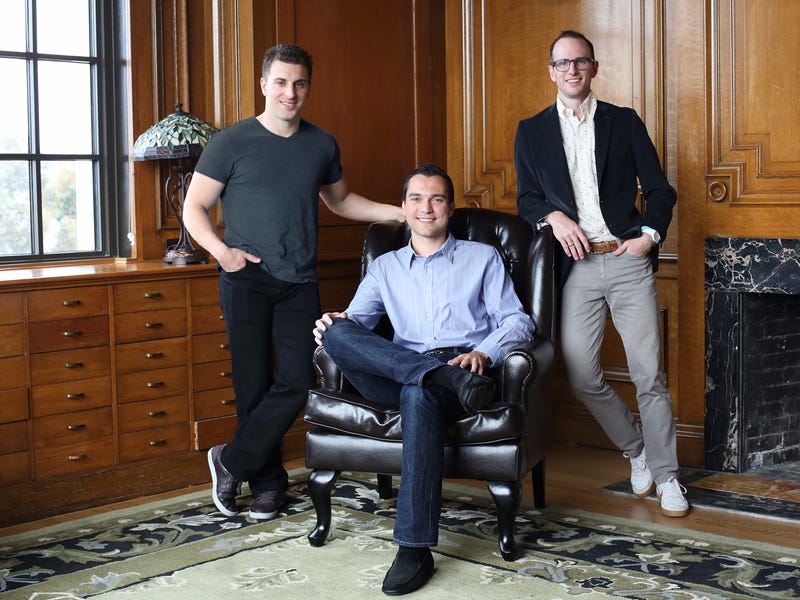
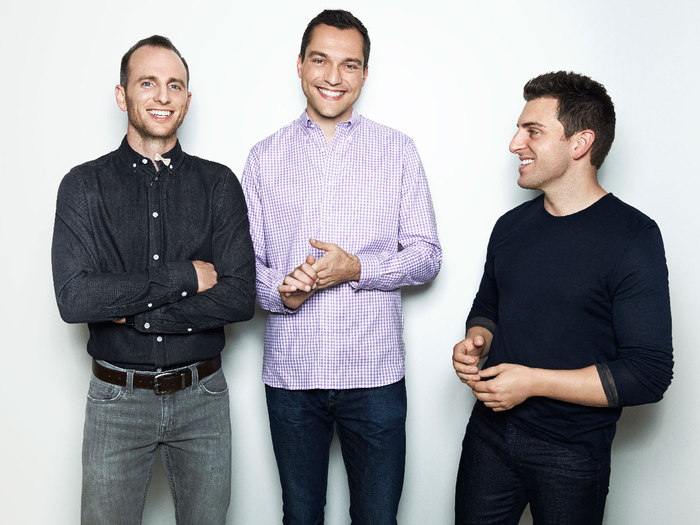
Case Study 1: Airbnb — From Survival Hustle to Global Platform

56cc87b1dd0895d4048b4616 THE HARDEST DECISION I EVER MADE AS A FOUNDER
5d83d07af4fc240279271031 THE HARDEST DECISION I EVER MADE AS A FOUNDER
https://miro.medium.com/1%2ABQGMwoKqU3XbXN8qmX6wuQ.jpeg

4

When Airbnb began, it wasn’t a billion-dollar company—it was a desperate experiment.

Founders Brian Chesky and Joe Gebbia rented out air mattresses in their apartment to make rent.

The Hard Decision

When growth stalled and investors rejected them repeatedly, they faced a choice:

  • Shut down
  • Or radically rethink how people perceive “staying with strangers”

What They Did

They pivoted their approach:

  • Focused on trust and design
  • Personally photographed listings to improve conversions
  • Reframed the experience as belonging, not renting

The Insight

The pivot wasn’t just product—it was positioning.

Today, Airbnb is valued in the tens of billions, but it only survived because the founders chose adaptation over attachment.


Case Study 2: Netflix — Killing the Business That Worked

95776915 THE HARDEST DECISION I EVER MADE AS A FOUNDER
101 Albright Way scaled THE HARDEST DECISION I EVER MADE AS A FOUNDER
THE HARDEST DECISION I EVER MADE AS A FOUNDER

4

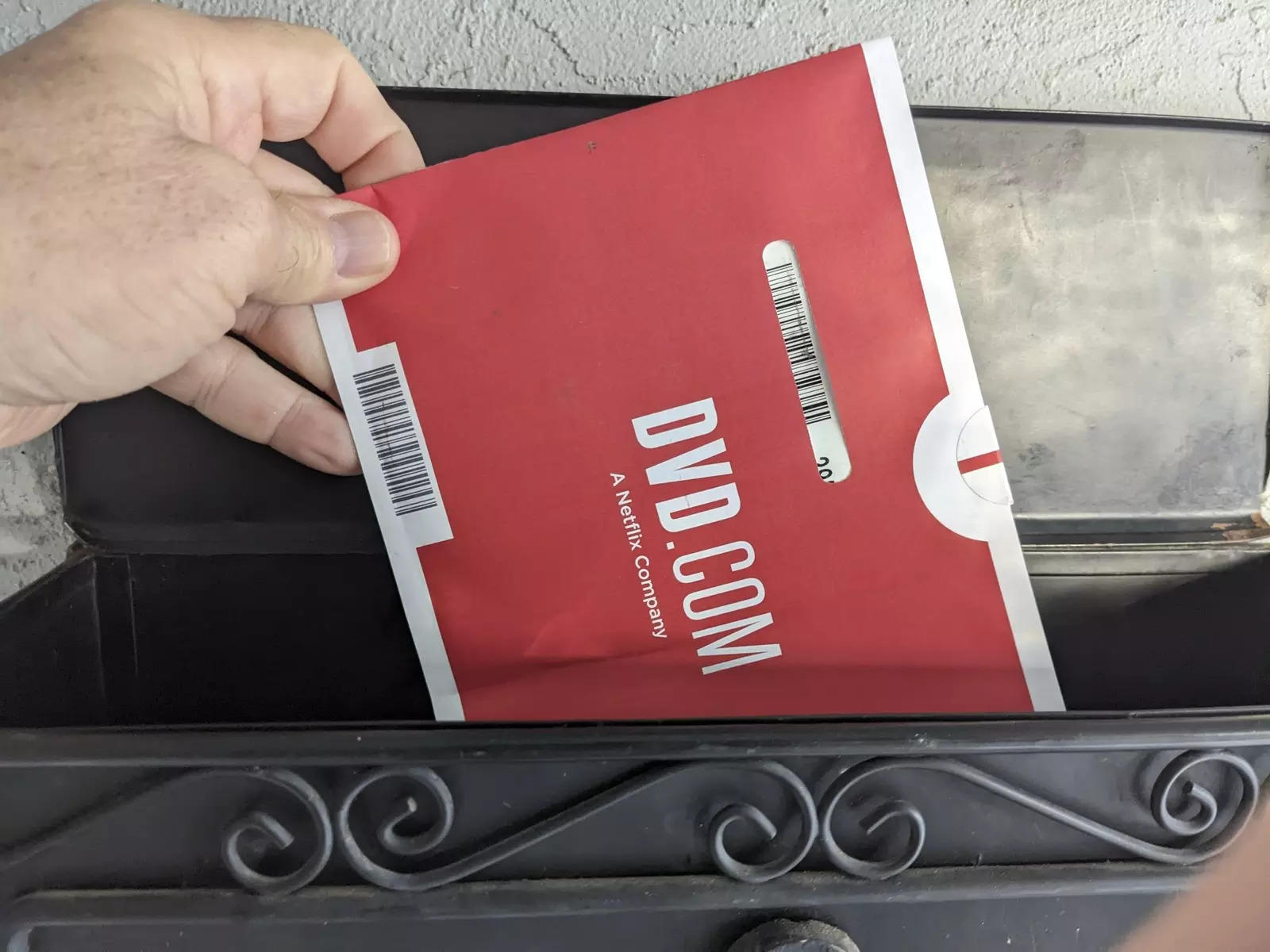
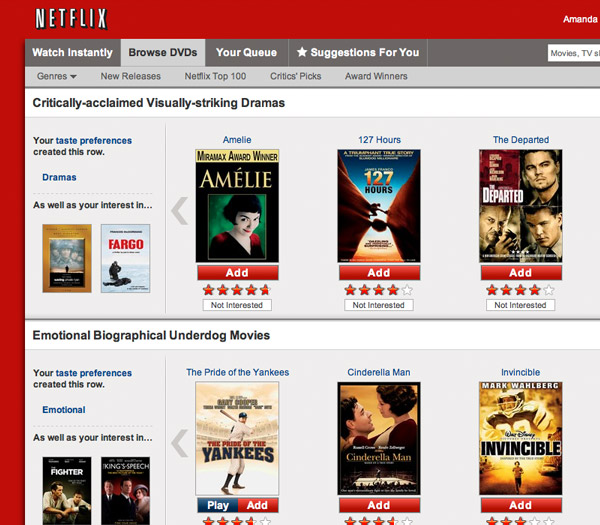
Netflix started as a DVD-by-mail service—a model that worked.

Customers loved it. Revenue was growing.

The Hard Decision

Founder Reed Hastings realized something others ignored:

Streaming would eventually replace physical media.

The dilemma:

  • Continue scaling a profitable model
  • Or disrupt themselves before someone else did

What They Did

Netflix pivoted aggressively:

  • Invested in streaming infrastructure
  • Transitioned away from DVDs
  • Later doubled down on original content

The Insight

Sometimes the hardest decision is abandoning what’s already successful.

Netflix didn’t pivot because it was failing—it pivoted because it saw the future.


Case Study 3: Instagram — From Clutter to Clarity

https://media.beehiiv.com/cdn-cgi/image/fit%3Dscale-down%2Cformat%3Dauto%2Conerror%3Dredirect%2Cquality%3D80/uploads/asset/file/e92acee0-6f08-4a68-b756-33362f53c6ce/image.png
https://compote.slate.com/images/f19da28b-b224-49c5-8761-ec86440c853c.jpeg?crop=3000%2C2000%2Cx0%2Cy0
https://i.insider.com/5dd314f83afd3737897b6245?auto=webp&format=jpeg&width=600

4

Before it became Instagram, the app was called Burbn—a complex check-in platform with too many features.

The Hard Decision

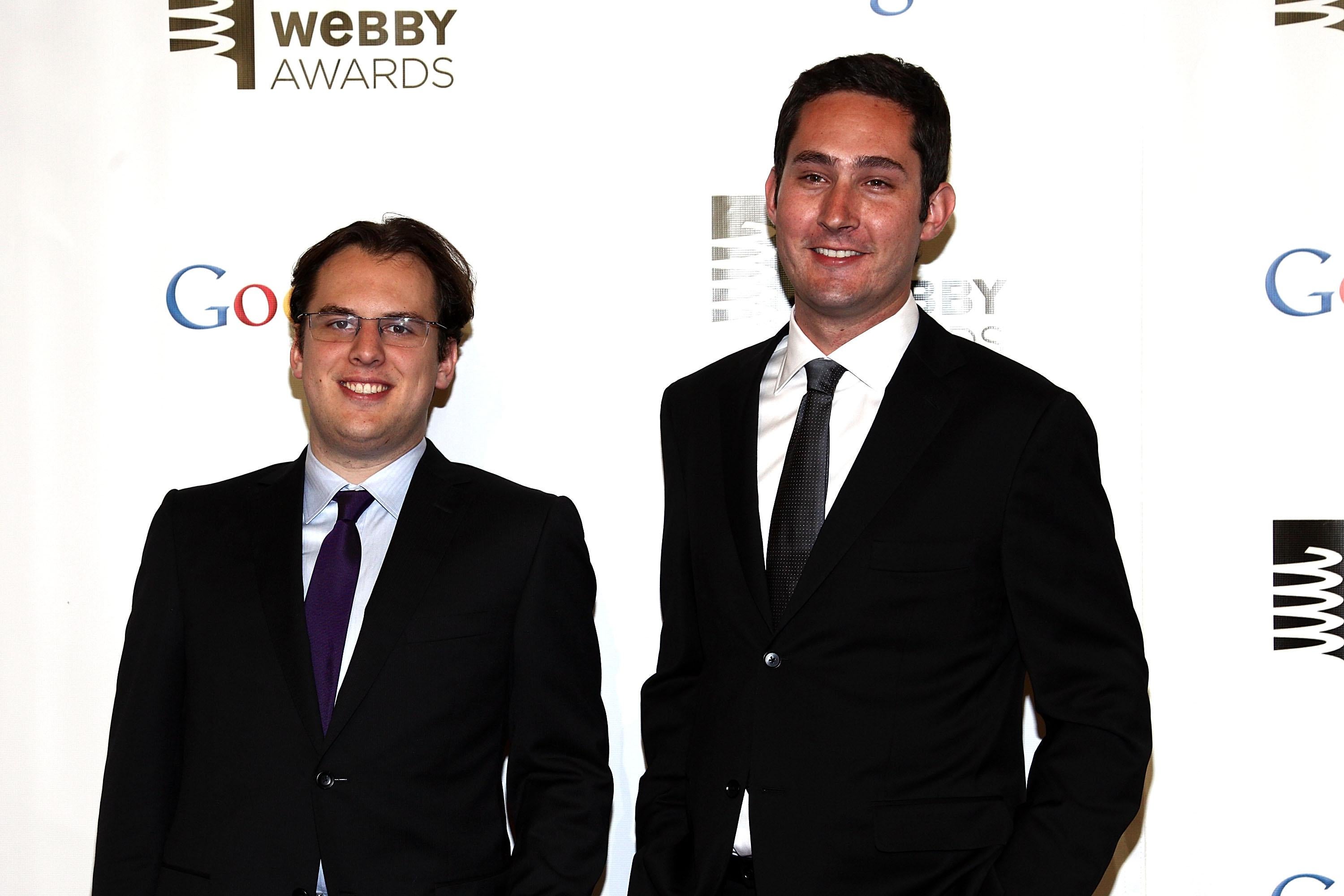
Founders Kevin Systrom and Mike Krieger noticed something critical:

Users only cared about one feature—photo sharing.

The choice:

  • Improve the existing app
  • Or strip it down completely

What They Did

They made a bold pivot:

  • Removed everything except photos
  • Focused on simplicity and speed
  • Launched Instagram

The Insight

Growth often comes from subtraction, not addition.

Within two years, Instagram was acquired by Facebook for $1 billion.


The Psychology Behind Hard Decisions

Why are these decisions so difficult—even when the data is clear?

1. Identity Attachment

Founders don’t just build products—they build personal meaning around them.

2. Sunk Cost Fallacy

The more time and money invested, the harder it becomes to let go.

3. Fear of Judgment

Pivoting feels like admitting failure—especially publicly.


The Decision Framework Elite Founders Use

From research and real-world patterns, the best founders apply a consistent framework:

1. Follow Data, Not Ego

If users aren’t responding, the market is speaking.

2. Act Before It’s Comfortable

By the time a pivot feels obvious, it may already be too late.

3. Redefine Failure

A pivot is not failure—it’s iteration.

4. Optimize for Survival First

A living company can evolve. A dead one cannot.


The Founder’s Truth: No One Talks About This Enough

Every successful founder has a story like this.

But most don’t share it because:

  • It’s messy
  • It’s emotional
  • It contradicts the narrative of certainty

Yet, this is the real work of entrepreneurship:

Making irreversible decisions with incomplete information—and moving forward anyway.


Conclusion: The Decision That Defines You

The hardest decision I ever made as a founder wasn’t about scaling.

It was about letting go.

Letting go of:

  • The original idea
  • The ego attached to it
  • The illusion of certainty

Because in the end:

Great founders are not defined by their first idea—
but by their ability to evolve beyond it.

10 Mistakes First-Time Startup Founders Must Avoid to Build a Successful Company

0
10 Mistakes First-Time Startup Founders Must Avoid

First-time startup founders often fail not because of bad ideas but due to common strategic mistakes. The most frequent mistakes include building products without market demand, ignoring customer feedback, poor financial management, hiring the wrong team, and scaling too quickly. Successful entrepreneurs like Elon Musk and Steve Jobs emphasize learning from early failures and focusing on product-market fit, disciplined execution, and long-term vision.


Introduction

Starting a company is exciting, but it is also extremely challenging. Statistics show that a large percentage of startups fail within the first few years.

Many of these failures happen because first-time founders repeat the same mistakes. Building a successful startup requires more than just a good idea — it requires strategic planning, leadership, and market understanding.

Even legendary entrepreneurs like Jeff Bezos and Mark Zuckerberg made early mistakes before building global companies.

Understanding these common mistakes can help founders avoid costly failures and build stronger startups.


1. Building a Product Without Market Demand

One of the biggest mistakes founders make is building a product without validating whether customers actually need it.

Many entrepreneurs fall in love with their idea without researching the market.

Successful startups focus on solving real problems. Before launching a product, founders should:

  • Conduct customer interviews
  • Study competitors
  • Test the idea with a minimum viable product (MVP)

Without real demand, even the best technology will fail.


2. Ignoring Customer Feedback

Customers are the most valuable source of insight for any startup.

However, many founders ignore feedback or assume they know what users want.

Successful companies constantly listen to their users and improve their products based on feedback.

For example, companies like Amazon built their success by obsessing over customer experience.


3. Hiring the Wrong Team

A startup’s success depends heavily on the quality of its team.

First-time founders sometimes hire friends or people who lack the necessary skills for a startup environment.

A strong founding team should have:

  • Technical expertise
  • Business strategy knowledge
  • Execution ability

Great teams can pivot and solve problems even when the original idea changes.


4. Running Out of Money

Poor financial planning is one of the most common reasons startups fail.

Founders often underestimate how much capital they need to build and grow their business.

Smart founders manage their burn rate carefully and ensure they have enough runway to survive during early growth stages.

Many successful startups raised funding from venture capital firms like Sequoia Capital and Andreessen Horowitz to scale their businesses.


5. Scaling Too Fast

Rapid growth can be dangerous if a startup’s product and operations are not ready.

Some founders try to expand too quickly by hiring large teams, launching in multiple markets, or spending heavily on marketing.

Successful startups focus on product-market fit first, then scale gradually.


6. Ignoring Marketing and Branding

Many founders believe that a great product will automatically attract customers.

In reality, marketing and branding are critical for growth.

Companies like Apple and Nike built global success partly through powerful branding and marketing strategies.

Startups should invest in:

  • Digital marketing
  • Content marketing
  • Brand storytelling

7. Not Understanding the Business Model

Some founders focus only on building technology but ignore how the company will generate revenue.

A clear business model is essential for long-term sustainability.

Founders should answer key questions such as:

  • Who pays for the product?
  • What is the pricing strategy?
  • How will the company scale profitably?

8. Fear of Pivoting

Many successful startups changed their original idea before finding success.

For example:

  • Instagram started as a location-based app before pivoting to photo sharing.
  • YouTube initially began as a video dating site.

First-time founders should be open to changing their product direction based on market feedback.


9. Poor Leadership and Communication

Startups operate in high-pressure environments.

Without strong leadership and communication, teams can become confused or demotivated.

Great founders focus on:

  • Transparent communication
  • Clear goals
  • Team motivation

Leadership plays a critical role in maintaining team alignment during difficult phases.


10. Giving Up Too Early

Building a successful startup takes time, persistence, and resilience.

Many founders quit after facing early setbacks.

Entrepreneurs like Elon Musk faced multiple failures before building successful companies.

Persistence is often the difference between failure and success.


Conclusion

Launching a startup is a challenging journey filled with uncertainty and risk.

However, by learning from the mistakes of other entrepreneurs, first-time founders can significantly improve their chances of success.

Avoiding these common mistakes — from ignoring market demand to poor financial planning — can help founders build stronger and more sustainable companies.

The most successful entrepreneurs treat mistakes as learning opportunities and continuously adapt their strategies.


FAQs

Why do most startups fail?

Most startups fail due to lack of market demand, poor financial management, weak teams, and ineffective business strategies.

What is the biggest mistake first-time founders make?

The biggest mistake is building a product without validating whether customers actually need it.

How can first-time founders increase their chances of success?

Founders can improve their chances by validating ideas, building strong teams, managing finances carefully, and continuously learning from customer feedback.

How Ritesh Agarwal Built OYO Into a Global Hospitality Brand

0
How Ritesh Agarwal Built OYO Into a Global Hospitality Brand

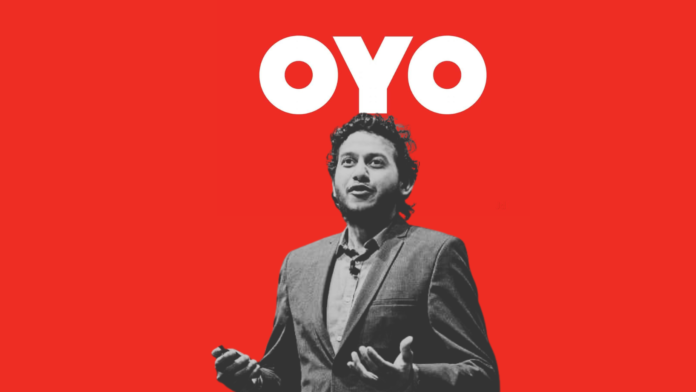
Ritesh Agarwal built OYO by transforming fragmented budget hotels into a standardized global hospitality network. Founded in 2013, OYO partners with small hotels, providing technology, branding, and operational support while sharing revenue. Backed by investors such as SoftBank, the company expanded rapidly across dozens of countries and became one of the largest hotel chains by room count.

The global hospitality industry has traditionally been dominated by giants such as Marriott International and Hilton. For decades, building a global hotel brand required enormous capital, years of construction, and large real-estate ownership.

But a young entrepreneur from India changed that assumption.

In 2013, Ritesh Agarwal launched OYO with a radically different idea: instead of building hotels, he would standardize and digitally organize the fragmented budget hotel market.

Within a decade, OYO expanded across dozens of countries and became one of the fastest-growing hospitality startups in the world.

This is the story of how Ritesh Agarwal built OYO into a global hospitality brand, including the company’s business model, funding history, leadership structure, IPO ambitions, and future strategy.


The Early Life of Ritesh Agarwal

Ritesh Agarwal was born in 1993 in Bissam Cuttack, a small town in Odisha, India.

Unlike many startup founders who studied at elite universities, Agarwal dropped out of college to pursue entrepreneurship.

At just 17 years old, he began traveling across India on a tight budget.

During these trips, he noticed something unusual.

The Hidden Problem in Budget Hotels

India had thousands of small budget hotels, but they suffered from:

  • inconsistent room quality
  • lack of hygiene standards
  • unreliable booking systems
  • almost zero brand recognition

While luxury hotels had strong brands and consistent service, budget hotels were completely fragmented.

Agarwal realized this gap represented a massive business opportunity.


The First Startup: Oravel Stays

In 2012, Agarwal launched a startup called Oravel Stays, inspired by the marketplace model of Airbnb.

The idea was to list affordable accommodations for travelers.

However, the platform struggled because many budget hotels did not meet customer expectations.

Instead of abandoning the idea, Agarwal made a critical strategic pivot.


The Birth of OYO

In 2013, Oravel was transformed into OYO (On Your Own).

The new concept was simple but powerful:

Instead of merely listing hotels, OYO would standardize them.

What OYO Offered Hotel Owners

OYO partnered with small hotels and provided:

  • standardized branding
  • technology and booking platforms
  • marketing and online distribution
  • operational training
  • quality control

In return, hotel owners shared part of their revenue.

This asset-light model allowed OYO to scale without buying or building hotels.


The Thiel Fellowship Breakthrough

A major turning point in Agarwal’s journey came when he was selected for the Thiel Fellowship, founded by billionaire investor Peter Thiel.

The fellowship gave Agarwal:

  • $100,000 funding
  • global mentorship
  • exposure to Silicon Valley investors

This validation helped attract venture capital.


OYO’s Funding Journey

OYO quickly became one of the most heavily funded hospitality startups globally.

Major Investors

  • SoftBank
  • Sequoia Capital
  • Lightspeed Venture Partners

SoftBank’s Vision Fund became the largest investor and aggressively funded OYO’s global expansion.


OYO Funding Timeline

YearFunding RoundValuation
2015Series B~$400M
2017Series D~$1B
2018SoftBank Investment~$5B
2019Major Global Funding~$10B
2024New funding round~$2.4B

The company’s valuation dropped after the pandemic and restructuring but is stabilizing again.


Rapid Global Expansion

Between 2016 and 2019, OYO experienced explosive global growth.

The company entered markets such as:

  • China
  • United States
  • United Kingdom
  • Indonesia
  • Malaysia

At its peak expansion phase:

  • presence in 80+ countries
  • hundreds of thousands of rooms
  • thousands of partner hotels

This made OYO one of the largest hotel chains in the world by room count.


The Technology Behind OYO

Unlike traditional hotel companies, OYO operates as a technology platform for hospitality businesses.

Key Technologies Used by OYO

  1. Dynamic Pricing Algorithms
    Similar to airline ticket pricing.
  2. Hotel Management Software
    Helps partners manage bookings and inventory.
  3. AI-Driven Demand Forecasting
  4. Customer Experience Analytics

Technology allowed OYO to manage massive hotel networks efficiently.


Strategic Acquisitions

To strengthen its global footprint, OYO began acquiring established brands.

One of the biggest deals came in 2024.

Acquisition of G6 Hospitality

OYO acquired G6 Hospitality, the owner of the iconic Motel 6, from Blackstone for about $525 million.

This acquisition dramatically expanded OYO’s presence in the United States.


Financial Performance

After years of prioritizing growth, OYO is now focusing on profitability.

Key Financial Metrics

FY24

  • Adjusted EBITDA: ₹888 crore
  • Net profit: ₹99.6 crore

FY25

  • Revenue: ₹6,253 crore
  • Net profit: ₹245 crore

Projected FY26

  • Profit target: ₹1,100 crore
  • EBITDA: ₹2,000 crore

The company has reported multiple profitable quarters, showing financial stabilization.


IPO Plans

OYO has been preparing to go public through its parent company Oravel Stays.

IPO Details

Planned fundraising:

₹6,650 crore

Expected valuation range:

$7B – $8B

However, the company postponed earlier IPO plans due to:

  • global market volatility
  • investor concerns about profitability
  • restructuring efforts

The IPO is expected once financial performance improves further.


Leadership Structure

Founder & CEO

  • Ritesh Agarwal

Major Investor

  • SoftBank

Other Key Stakeholders

  • Sequoia Capital
  • Lightspeed Venture Partners

Agarwal increased his ownership stake to over 30%, strengthening founder control.


Net Worth of Ritesh Agarwal

As of 2026:

Estimated net worth of Ritesh Agarwal:

$2.1B – $2.3B

He is considered among the youngest self-made billionaires in global hospitality.


Major Challenges OYO Faced

Despite its rapid success, OYO also faced major challenges.

1. Hyper-Expansion Problems

Aggressive global expansion created issues such as:

  • inconsistent hotel quality
  • partner conflicts
  • operational complexity

2. Pandemic Shock

The COVID-19 pandemic severely impacted travel and hospitality.

OYO had to restructure operations and cut costs.

3. Investor Pressure

Investors demanded a shift from growth to profitability.


OYO’s Future Strategy

OYO is now entering a second phase focused on profitability and global consolidation.

Key Strategic Areas

1. Premium Hospitality

New brands targeting mid-scale hotels such as:

  • Townhouse
  • Sunday Hotels

2. Technology Expansion

The company is investing heavily in:

  • AI-based hotel management
  • automated pricing
  • global booking infrastructure

3. International Acquisitions

Acquisitions like Motel 6 are expected to continue.

4. IPO Preparation

Financial discipline and stable growth will prepare the company for a public listing.


Timeline of OYO’s Journey

YearMilestone
2012Oravel Stays launched
2013OYO founded
2015Expansion across India
2017Unicorn valuation
2019$10B valuation
2020Pandemic impact
2024Motel 6 acquisition
2025+IPO preparation

Key Business Lessons from OYO

Entrepreneurs can learn powerful lessons from the OYO journey.

Solve a Massive Market Problem

OYO addressed the unorganized budget hotel industry.

Asset-Light Business Models Scale Faster

Instead of owning hotels, OYO partnered with them.

Technology Is the Real Advantage

Software allowed the company to manage thousands of properties globally.

Pivot Quickly

The pivot from Oravel to OYO was critical.

Growth Must Eventually Become Profitable

Sustainable business models matter.


What is OYO and who founded it?

OYO is a global hospitality platform that standardizes budget hotels through partnerships and technology. It was founded in 2013 by Indian entrepreneur Ritesh Agarwal.

How does OYO make money?

OYO earns revenue by partnering with hotels and taking a percentage of bookings. It provides hotel owners with branding, technology platforms, marketing, and operational support to increase occupancy.

What is the net worth of Ritesh Agarwal?

As of 2026, the estimated net worth of Ritesh Agarwal is approximately $2–3 billion, making him one of the youngest self-made billionaires in the hospitality industry.

Is OYO planning an IPO?

Yes. The parent company of OYO, Oravel Stays, has been preparing for an IPO to raise billions of rupees once market conditions and profitability targets align.


Conclusion

The story of Ritesh Agarwal and OYO represents a new generation of global entrepreneurship emerging from India.

From a teenage traveler identifying a problem to building a multi-billion-dollar hospitality platform, Agarwal’s journey demonstrates the power of vision, technology, and relentless execution.

As OYO moves toward profitability and prepares for a potential IPO, its next chapter could determine whether it becomes one of the world’s most influential hospitality technology companies.


Cybersecurity Startup Lema Emerges From Stealth With $24M Series A as Third-Party Risk Reaches Critical Levels

0
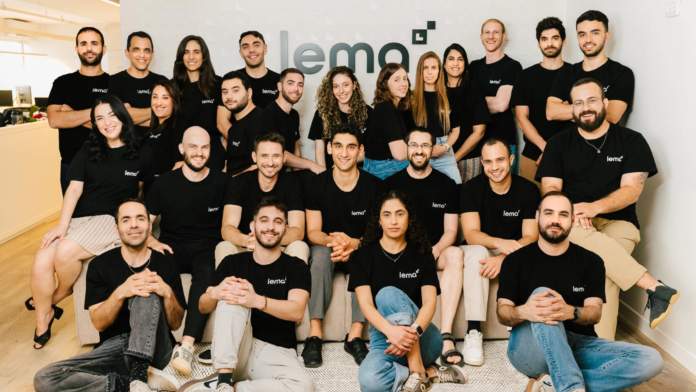
Lema Cybersecurity Startup Team

Lema, a new cybersecurity startup founded by Israeli security and intelligence veterans, has emerged from stealth mode with a $24 million Series A, positioning itself to take on what many CISOs now describe as their single fastest-growing enterprise threat: third-party and supply-chain exposure.

The company, based in Israel, was founded by former leaders from large-scale defense, threat intelligence operations, and enterprise security automation teams. Though still operating quietly, Lema has already begun onboarding design partners across finance, healthcare, and large technology enterprises — sectors under mounting pressure from regulators and attackers alike.


Third-Party Risk Has Outpaced Traditional Security Models

Enterprise security teams have lost visibility as digital ecosystems balloon. A mid-sized enterprise now uses between 500 and 1,500 SaaS vendors, according to industry benchmarks. Large organizations often exceed 3,000 external integrations, including cloud services, data processors, contractors, and identity-linked partners.

Meanwhile, the threat landscape is shifting:

  • 54% of all breaches now involve a third party, according to recent incident analyses.
  • Supply-chain attacks have grown 7× over the last three years.
  • The median breach cost tied to a vendor compromise is $4.76M, surpassing the global average.
  • Frameworks such as NIST, DORA, and NIS2 now mandate continuous monitoring of vendor exposure — not just annual questionnaires.

The attack surface has essentially moved outside the four walls of the enterprise.

“Security teams can lock down their internal systems, but every vendor connection is another door they don’t control,” Lema’s founders explained. “The existing model isn’t broken — it’s obsolete.”


Lema’s Core Bet: Continuous, Externalized, and Automated Risk Measurement

Most organizations still rely on self-reported questionnaires, static assessments, and spreadsheets that become outdated within days. Lema argues that what the industry lacks is a unified system of record for third-party risk based on independent, real-time security telemetry.

According to details shared with TechCrunch, the platform centers around four technical pillars:

1. External Attack Surface Discovery for Every Vendor

Lema continuously maps a partner’s exposed assets — cloud endpoints, API surfaces, misconfigurations, leaked credentials, abandoned infrastructure, and code artifacts — without requiring vendor cooperation.

2. Behavioral Risk Scoring Engine

The platform incorporates signals including:

  • DNS and certificate changes
  • Exposure drift
  • Dependency graph mapping (2nd–5th parties)
  • Threat-intel correlation
  • Domain takeover vectors
  • Data pipeline access patterns

These feed into a dynamic model that updates risk continuously, not quarterly.

3. Hidden Supply-Chain Mapping

Lema’s founders say most enterprises underestimate their dependency graph by up to 40%, because SaaS vendors themselves rely on thousands of sub-vendors.
The platform identifies and classifies these 4th- and 5th-party relationships automatically — a capability regulators are increasingly demanding.

4. Workflow Integration for Procurement, Identity, and Security Controls

Rather than forcing new processes, Lema plugs into existing systems (e.g., IAM, GRC, procurement, and ticketing), enabling automated escalation when a vendor’s risk shifts.

This addresses a major bottleneck: enterprises struggle not with gathering vendor data, but operationalizing it.


Why Investors Are Moving Into Third-Party Risk Platforms

The third-party risk category has drawn heightened investor interest following major incidents, including attacks on widely used service providers, IT vendors, and managed service chains.

Global spending on supply-chain cybersecurity is projected to hit $7.5 billion by 2030, aided by:

  • Mandatory continuous monitoring requirements
  • Rising attack depth in modern cloud-native SaaS stacks
  • Elevated board-level scrutiny after high-profile vendor compromises
  • Increasing complexity in identity-linked and API-based integrations

Lema is entering a competitive but fast-expanding market segment where traditional GRC solutions are widely viewed as insufficient.


Is Lema Building the “Security Graph” for Third-Party Risk?

The startup’s architectural approach suggests an ambition to centralize not just vendor assessments but ongoing behavioral telemetry across an ecosystem.
Think: a continuously updating, organization-level risk graph.

If Lema can scale this model — particularly the automated mapping of deep vendor dependencies — it could occupy a critical role in enterprise security operations, similar to how attack surface management reshaped asset inventory.


What’s Next

The $24M infusion will support:

  • Expansion of Lema’s data science and threat research teams
  • Development of its risk correlation engine
  • Deeper partnerships in North America and Europe
  • Scaling onboarding automation for large enterprise ecosystems

Given rising regulatory pressures and the accelerating cadence of supply-chain breaches, the timing aligns with a broader industry shift: CISOs moving beyond questionnaires toward continuous, autonomous security validation of every partner in their digital ecosystem.

Lema’s emergence marks another signal that third-party risk is no longer a governance checkbox — it’s becoming a core security operations function.

OpenEvidence Hits $12B Valuation as Founder Doubles Wealth

0
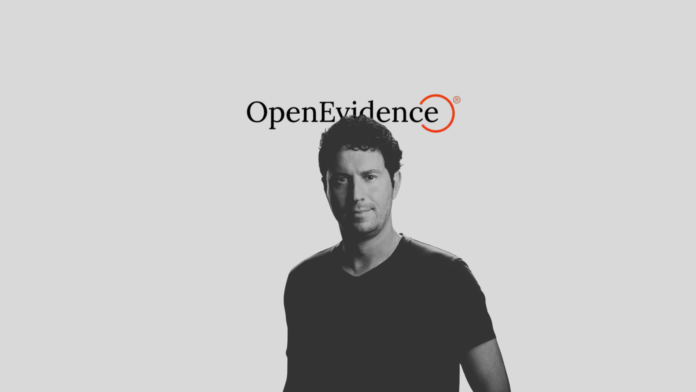
OpenEvidence founder

The world of medical artificial intelligence (AI) has a new headline-making success story: OpenEvidence, a startup rapidly gaining traction as an indispensable clinical tool for physicians. In a major funding round announced in January 2026, the company secured $250 million in Series D financing, propelling its valuation to $12 billion — a meteoric rise that has also doubled the personal wealth of co-founder and CEO Daniel Nadler.

In this comprehensive article, we explore how OpenEvidence achieved this milestone, the technology behind it, its real-world adoption by clinicians, the broader implications for healthcare AI, and what this means for Nadler’s personal fortune and the future of data-driven medicine.


What Is OpenEvidence? The “ChatGPT for Doctors”

OpenEvidence is an AI-powered medical search and clinical decision support platform designed specifically for healthcare professionals — physicians, nurse practitioners, and other clinicians. Its primary purpose is to help users quickly find, aggregate, and interpret evidence from peer-reviewed medical literature, clinical practice guidelines, and trusted scientific sources, all in a fraction of the time it would take to navigate conventional databases.

Unlike general-purpose AI tools such as consumer versions of ChatGPT, OpenEvidence’s models are specialized and trained exclusively on high-quality, medically vetted sources like The New England Journal of Medicine and the Journal of the American Medical Association. This domain-specific focus aims to deliver highly accurate, evidence-based results that clinicians can rely on at the point of care.

Overall, the platform functions much like a clinical research assistant—surfacing relevant studies, summarizing findings, and supporting diagnostic and treatment decisions—which is why many in the industry call it the “ChatGPT for doctors.”


The Journey to $12 Billion: Funding Rounds and Growth

OpenEvidence’s valuation journey has been astonishingly rapid:

Founding and Early Growth (2022–2024)

The startup was co-founded in 2022 by Daniel Nadler and Zachary Ziegler with the mission of organizing and making global medical knowledge instantly accessible to clinicians. Nadler, who holds a Ph.D. and previously founded and sold an AI analytics company, invested early capital from his own pocket into the venture, securing a significant ownership stake.

Series A: $1 Billion Valuation

In early 2025, OpenEvidence raised approximately $75 million in a Series A round led by Sequoia Capital, which valued the company at $1 billion. This early validation underscored investor confidence in the startup’s vision.

Series B and C: Rapid Expansion

By July 2025, the company had raised $210 million in Series B funding at a $3.5 billion valuation, led by Google Ventures and Kleiner Perkins, among others. The Series B round highlighted OpenEvidence’s rapidly growing user base and clinical relevance.

Just three months later, in October 2025, it secured another $200 million at a $6 billion valuation, confirming the startup’s accelerating trajectory in a crowded AI landscape.

Series D: Catapult to $12 Billion

In January 2026, the big breakthrough arrived: a $250 million Series D round co-led by Thrive Capital and DST Global, which doubled the company’s valuation to $12 billion. With this latest capital injection, OpenEvidence’s total funding now approaches $700 million, a testament to sustained investor faith.


Founder’s Wealth Skyrockets: Daniel Nadler’s Rise

The valuation jump hasn’t just been a milestone for the company — it’s been transformational for Daniel Nadler’s personal wealth.

According to Forbes, Nadler’s net worth is now estimated at approximately $7.6 billion, more than twice what it was late last year. That dramatic increase is primarily due to his majority ownership stake in OpenEvidence, which he has retained through multiple funding rounds.

Nadler’s journey to billionaire status isn’t his first rodeo: he previously founded an AI analytics startup that sold for $550 million in 2018, laying the financial groundwork that helped him back OpenEvidence in its earliest days.

His co-founder, Zachary Ziegler, also benefits substantially, with his equity stake now valued at hundreds of millions of dollars.


Real-World Use: Adoption Across U.S. Healthcare

What makes OpenEvidence’s rise particularly compelling is its tangible adoption among clinicians.

By late 2025, the platform was being used by more than 40 % of physicians in the United States, covering over 10,000 hospitals and medical centers nationwide.

Doctors have turned to OpenEvidence in increasing numbers — with the company reporting that its tools supported roughly 18 million clinical consultations in December 2025 alone, a dramatic increase from around 3 million per month a year earlier.

This adoption surge reflects clinicians’ hunger for tools that help them parse the ever-expanding medical literature, which grows at an exponential rate as new treatments, drugs, and studies emerge daily.


Business Model: Free for Physicians, Ads for Revenue

Unlike many startups that charge subscription fees, OpenEvidence’s core platform remains free for verified physicians. Instead, the company generates revenue through advertising — particularly from pharmaceutical and medical device companies seeking to reach clinicians.

According to Nadler, OpenEvidence crossed an annualized revenue run rate exceeding $100 million in 2025, even though most of its paid ad inventory remains unused. He estimates that fully monetized advertising could one day contribute up to a billion dollars in annual revenue, though he prefers to prioritize user experience over aggressive monetization.

This approach is reminiscent of early strategies used by tech giants like Google — prioritizing widespread adoption before maximizing profit — and suggests a long-term growth mindset.


The Technology Behind OpenEvidence

At its core, OpenEvidence leverages specialized large language models (LLMs) trained on medical literature and structured clinical data. Its search algorithms go beyond simple keyword matching; they are designed to understand clinical context, prioritize high-quality evidence, and surface the most relevant information for a given query.

According to external profiles of the company, in 2023 its AI achieved a 90 percent score on the United States Medical Licensing Examination (USMLE) — a testament to its domain-specific accuracy — and later reached 100 percent in subsequent benchmarks. This performance has helped build trust among clinicians who rely on fast, evidence-backed answers during patient care.

Additionally, the platform has introduced features like DeepConsult™, an AI agent purpose-built for physicians that can synthesise findings across multiple studies — further cementing its utility as a clinical decision support tool.


Industry Impact: AI Transforming Clinical Workflows

OpenEvidence’s success mirrors a broader shift in healthcare: the integration of AI tools into clinical workflows to reduce burnout, improve diagnostic accuracy, and shorten research time.

Physicians face an overwhelming volume of new research — published studies are now released faster than ever, making it nearly impossible for any doctor to stay fully updated across all areas of medicine. AI tools like OpenEvidence help bridge that gap by providing real-time access to vetted evidence, reducing the hours clinicians spend combing through journals and databases.

The startup’s rapid adoption suggests that clinicians are not just curious about AI — they are integrating it into everyday care. The platform’s usage across millions of consultations each month shows that AI is increasingly becoming a trusted part of the clinical decision-making process.


Challenges and Competition

Despite its impressive growth, OpenEvidence operates in a competitive and rapidly evolving landscape. Other AI giants, including OpenAI and Anthropic, have launched health-related tools, and the broader market for clinical AI continues to attract investment and innovation.

That said, OpenEvidence’s specialization in medical literature and clinical use cases gives it a defensible position, particularly against general-purpose AI platforms. Its focus on trusted sources and partnerships with leading medical journals further reinforces its credibility among healthcare professionals.


What Comes Next for OpenEvidence

With $700 million in total funding and a $12 billion valuation, OpenEvidence is poised for further expansion. The company says it will use the new capital to invest in research and development, scale its AI infrastructure, and continue enhancing the platform’s capabilities for clinicians worldwide.

Possible future directions include:

  • Global expansion into international healthcare markets
  • Enhanced clinical decision support tools integrated with electronic health records (EHRs)
  • New AI features for drug discovery, patient risk stratification, and personalized care
  • Expanded partnerships with healthcare institutions and medical societies

As healthcare continues to embrace digital transformation, OpenEvidence’s model — combining deep clinical focus with advanced AI — may serve as a blueprint for other startups looking to make meaningful impact in the sector.


A Defining Moment for Healthcare AI

OpenEvidence’s rapid ascent from a $1 billion valuation in early 2025 to $12 billion in early 2026 is more than a funding milestone — it signals a broader trend in healthcare innovation. Specialized AI tools that address real clinical needs are now commanding significant investor attention and adoption among frontline clinicians.

For Daniel Nadler, the journey has been transformative, turning his vision into a multi-billion-dollar reality and doubling his personal wealth in the process. But for the healthcare industry as a whole, the real story is how AI is reshaping the way medicine is practiced and how evidence is accessed and applied in real time.

As OpenEvidence continues to grow, the question isn’t just about valuation — it’s about how deeply AI will integrate into clinical workflows and how it will ultimately improve patient outcomes in a world where data is both abundant and indispensable.


Deepinder Goyal Steps Down as CEO of Eternal: Albinder Dhindsa Appointed as New Group CEO

0
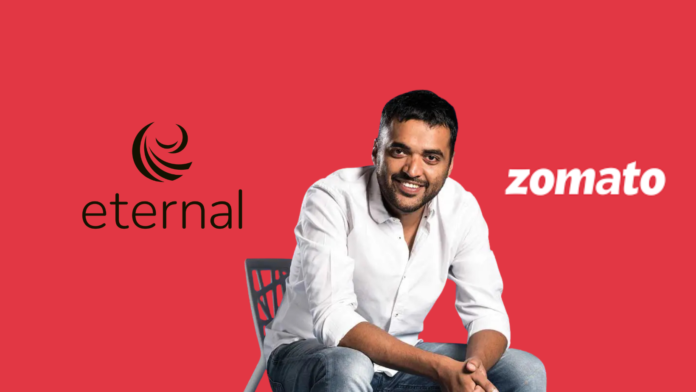
Deepinder Goyal Steps Down as CEO of Eternal

In a significant leadership transition at Eternal Ltd (formerly Zomato), founder Deepinder Goyal has stepped down from his role as Group Chief Executive Officer (CEO). The move marks a strategic shift as Goyal chooses to focus on “high-risk exploration” beyond the constraints of a publicly listed company.

Stepping into the top leadership role is Albinder Dhindsa, founder and CEO of Blinkit, who has been appointed as the new Group CEO of Eternal. Goyal will continue to remain closely associated with the company as Vice Chairman, subject to shareholder approval.

This leadership reshuffle is being viewed as a forward-looking decision aimed at long-term innovation and operational excellence.


Eternal’s Leadership Transition Explained

The announcement was made following Eternal’s strong financial performance, underscoring that the decision is strategic rather than reactive. As Eternal continues to expand across food delivery, quick commerce, and B2B supply chains, the board believes the transition will help the company scale more efficiently.

Deepinder Goyal, who played a pivotal role in transforming Zomato into a global consumer-tech brand, stated that his entrepreneurial ambitions now lie in exploring high-risk, high-reward ideas that are difficult to pursue within a public company framework.


Why Deepinder Goyal Stepped Down as Group CEO

Deepinder Goyal cited the following key reasons behind his decision:

  • Focus on innovation: Goyal wants to work on experimental and disruptive ideas that require flexibility and risk-taking.
  • Public company constraints: Running a listed company demands predictability and stability, which limits aggressive experimentation.
  • Leadership maturity: Eternal has reached a stage where professional, operations-focused leadership is essential for sustained growth.

Rather than exiting entirely, Goyal’s new role as Vice Chairman ensures continued strategic guidance while allowing him to pursue ventures outside day-to-day operations.


Albinder Dhindsa Takes Over as Group CEO

Albinder Dhindsa, founder of Blinkit, has been appointed as the Group CEO of Eternal, effective February 2026. Dhindsa brings deep operational experience and a strong execution track record, having successfully scaled Blinkit into one of India’s leading quick commerce platforms.

Why Albinder Dhindsa?

  • Founder-led mindset with operational discipline
  • Proven ability to scale high-frequency consumer businesses
  • Strong understanding of Eternal’s ecosystem, culture, and long-term vision

Under his leadership, Blinkit emerged as a key growth engine for Eternal, making Dhindsa a natural choice to lead the group at a critical growth phase.


What This Means for Eternal (Formerly Zomato)

The leadership change is expected to bring greater operational focus and execution discipline, while still preserving the company’s founder-driven innovation culture.

Key implications:

  • Operational stability: Continuity in leadership with an internal successor
  • Growth acceleration: Sharper focus on profitability and scale across verticals
  • Strategic clarity: Clear separation between innovation-led exploration and core business execution

Eternal’s businesses—including Zomato, Blinkit, Hyperpure, and other emerging verticals—will continue to operate seamlessly under the new structure.


Company Performance Context

The transition comes at a time when Eternal has reported strong quarterly financial results, including significant year-on-year profit growth and revenue expansion. This further reinforces that the leadership change is planned and confidence-driven, not a response to financial pressure.


Industry Perspective: A Founder’s Evolution

Deepinder Goyal’s move reflects a broader trend in the startup and tech ecosystem, where founders evolve from operational roles into strategic or visionary positions as companies mature.

Similar transitions have been observed globally, where founders step aside to:

  • Enable professional leadership
  • Pursue innovation independently
  • Maintain long-term influence without daily operational responsibility

What Lies Ahead

With Albinder Dhindsa as Group CEO and Deepinder Goyal as Vice Chairman, Eternal is entering a new phase focused on execution, scale, and sustainable growth—while keeping room for bold innovation outside the public market structure.

This leadership realignment positions Eternal strongly in India’s competitive consumer-tech landscape and signals confidence in its long-term vision.


FAQs